
Why Some Trampolines Wear Faster in High-Traffic Yards
Author: Jump Star Trampolines Date Posted:22 March 2026
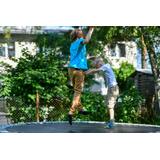

Some trampolines handle years of fun in the sun. Others start showing their age after just one season. One big reason for the difference is how much the yard around them gets used.
In busy homes, it’s common for the trampoline to be on the go every day, often with different kids throughout the day or even sharing space with other backyard play areas. Over time, that kind of traffic puts pressure on the equipment and often leads to quicker wear in certain trampoline parts.
Knowing how your yard is used goes a long way in helping you spot early wear. It can also help you figure out how to slow it down and keep everything safe as the weather starts shifting in places like Perth, WA, where autumn wind and sun can mix quickly.
What Makes a Yard High-Traffic for Trampolines
When we talk about a high-traffic yard, we do not just mean a big or small space. It is about how often people use the area and how many people share it.
- Yards that see daily trampoline use from siblings, neighbours, or visiting cousins tend to wear gear down faster.
- Shared-use yards, where the trampoline sits in the middle of footpaths, patio areas, or garden zones, mean more chance for bumps, movement, or overcrowding.
- Kids who jump on and off throughout the day, or use the trampoline as a hangout spot, naturally add more wear to the surfaces and fixtures.
In these kinds of yards, parts like the mat, springs, and netting take more stress and have less downtime to recover or stay dry. The more bounce time a trampoline sees, the quicker certain parts will begin to stretch or fray.
Common Wear Points on Heavily Used Trampolines
When a trampoline is used a lot, some parts feel the strain long before others. We always check a few key spots when answering questions about fast wear.
- Springs might lose tension or stretch unevenly, especially if jumpers do not spread their movement evenly across the mat.
- Jump mats can weaken near the stitching lines or where shoes have worn the surface smooth.
- Padding over springs and frame edges can crack or thin, especially if kids consistently sit, climb, or bounce on the edges.
- Tension points where nets attach to poles tend to suffer first, especially with pulling, leaning, or weather movement.
We have noticed that in yards where friends and family gather often, even little things like leaning against the net or spring padding can bend or shift the frame slightly. These small shifts build up over time, which is why staying ahead of repair needs saves effort later.
How Yard Surfaces and Layouts Contribute to Wear
Where and how a trampoline is set up plays a big part in how long the parts last. Some surfaces handle the weight and motion better than others.
- Grass is softer but can get boggy or uneven after heavy rain, which makes frames wobble or place uneven pressure on legs.
- Pavers or concrete provide a firmer base, but they do not absorb any movement and can increase vibration to the frame or legs.
- Sandier areas tend to shift under pressure, especially near coastlines, causing frame settling and weakening the leg base.
- Slopes or uneven ground can stretch certain springs or shift the mat tension by pulling weight in one direction longer than intended.
We have visited homes in Perth where tree roots slowly lifted one side of the frame or poor drainage caused rust to form quicker on low frame legs. These layout things do not always show up straight away, but they add long-term pressure to trampoline parts. Placing the trampoline in a spot with even ground can help prevent legs from sinking and keep the frame balanced. Taking the time to check the area after it rains or after the kids have played for a while helps catch issues with settling or shifting before they affect the trampoline's parts.
Seasonal Use and Weather Exposure
Late March is when the weather begins changing again here in Perth. There are still plenty of warm afternoons, but early storms and cooler nights are sliding in too. That makes now a good time to think about how the seasonal shift might affect how often and where the trampoline is used.
- Summer use tends to dry out mat fibres and padding, especially on clear days with full sun.
- Autumn wind can pull at nets, jostle the frame, or cause uneven mat wear if leaves start collecting and holding moisture.
- UV exposure stiffens and breaks down older safety pads and spring fabric, especially when they have been stepped on all summer.
- Moisture trapped under the frame from poor drainage or leaf build-up can speed up surface rust or soil erosion beneath the legs.
Yard positioning and upkeep around this time can help buy you a bit more time before part fatigue starts to show. Clearing away tree litter, ensuring legs sit evenly, and checking for signs of sun damage now can stop bigger replacement jobs later. The way autumn weather moves in Perth makes it important to check under the trampoline for wet patches or mud before the cool season sets in. This habit keeps legs and springs dry and avoids small rust spots from growing. Looking up at nearby trees can also help spot if falling leaves are likely to pile up against the trampoline sides or base, which can increase the need for upkeep.
Jump Star Trampolines offers a full range of replacement mats, springs, pad coverings, and nets, each designed to fit high-use trampolines across different sizes and weather conditions in Perth, WA.
Ways Families Can Reduce Early Wear in Busy Backyards
Trampolines in busy homes need a bit of strategy to keep parts working longer. It does not have to be complicated. Small habits add up over time.
- Try placing the trampoline in a spot that gets shade during the hottest part of the day to reduce UV damage.
- Every month or so, rotate the trampoline’s position if your yard allows it. Shifting the weight spots helps reduce repeat stress.
- Encourage kids to bounce in the centre, not jump off the sides or lean hard against the netting.
- Keep an eye on weight limits, especially when multiple kids are using it at once during parties or after-school play.
- Avoid stacking items like toys, balls, or bikes nearby, which can lead to bump damage or overcrowding.
We have found that even something simple like walking around the frame and mat once a week helps catch small shifts before they turn into bigger structural problems. When a yard is crowded and the trampoline is close to fences, trees, or hard surfaces, adding a small gap or buffer zone around the trampoline can help keep kids’ landings safer and reduce bumps and knocks into the frame. Teaching children to remove shoes before jumping prevents extra wear on the mat, especially from rough soles or small stones stuck in treads. It’s also helpful to keep pets and sharp objects away from the trampoline area, as claws and hard toys can scratch or snag mats and netting.
Setting a weekly check or including trampoline upkeep in your regular garden routine also means issues like loose bolts, frayed nets, or dull padding can be fixed sooner. The earlier a problem is found, the easier it is to deal with. These simple checks help keep the trampoline fun and safe while cutting down on the cost and hassle of frequent repairs or replacements throughout the year.
Keeping Trampolines Safe and Useable in High-Use Yards
Heavy trampoline use comes with more wear, there is no question about that. When a yard sees lots of movement, visits, or afternoon play, every part of the trampoline does more work.
It is not just about the product itself, it is how it is used and where it lives in the yard. By placing it smartly, checking it now and then, and spreading the wear out across different spots, families can get more life out of their trampoline parts. A few small changes can stretch playtime across more seasons without sacrificing safety.
Keeping your trampoline in top shape is easy with JumpStar Trampolines. In Perth, WA, having the right parts on hand for quick repairs means more safe, fun jumping for your family all year round. Whether you need to replace a spring, mat, or pad, trust our experts to help with fit and compatibility. Explore our durable trampoline parts designed for active Aussie backyards, and give us a call if you have any questions about which part works best for your setup.