
Weatherproofing a Trampoline with Cover and Shade in Australia
Author: Jump Star Trampolines Date Posted:10 August 2026
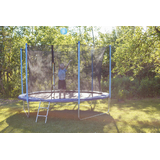

Weatherproofing Your Trampoline in Aussie Conditions
A trampoline with a cover and shade is one of the easiest ways to protect your backyard favourite from harsh Aussie weather. Wind, rain, and strong sun can all hit hard, especially around late winter and into early spring, and they can shorten the life of your trampoline if you leave it bare.
In this guide, we walk through how our weather can damage your trampoline, what kind of setup works best, and simple care routines to keep it safer for the kids and ready for spring. When you invest a little time and the right gear now, you often save money on repairs and replacements later, and you keep everyone bouncing on a more secure surface.
How Australian Weather Wears Out Trampolines
Australian backyards see a mix of late winter storms, bright UV, sudden showers and gusty days, and all of that shows up on your trampoline. The most common threats include harsh UV that fades and weakens mats, nets and safety pads; rain that sits on metal parts and starts rust on the frame and springs; salt and moisture in coastal areas that speed up rust; wind that can move or flip trampolines if they are not anchored; and leaves and debris that trap moisture and stain or wear the mat.
Late winter and early spring often bring stronger winds and heavy rain, which can put extra strain on the frame and joints, stress anchors and tie-downs, pull on the safety net and its poles, and add weight from pooled water on covers or mats.
Now is a good time to walk around your trampoline and look for early signs of wear, such as:
- Fading or cracking on pads and mat
- Sagging areas on the jumping surface
- Rust spots or flaking on the frame and springs
- Loose or torn netting and unstable poles
- A frame that rocks or shifts when you push it
Catching these things before the warm months hit makes it easier to fix small problems instead of dealing with major damage later.
Choosing a Weatherwise Trampoline Setup
Not every trampoline handles weather in the same way. The shape and style make a difference to how it reacts to wind, rain, and shade.
Round trampolines are common in Aussie backyards. They:
- Spread force more evenly when the wind hits
- Are usually easier to fit covers on
- Work well in the middle of a yard with clear space around them
Rectangular trampolines often give a more even bounce for older kids or active jumpers. They:
- Have more straight edges that can catch wind if placed in an open spot
- Need careful anchoring along the long sides
- May need custom covers to fit the shape properly
In-ground trampolines sit lower and are often more sheltered from wind. With the right drainage, they can handle rain well, but you still want a cover to protect the mat and pads from UV and debris.
When you are picking a trampoline to pair with a cover, it helps to look for galvanised steel frames suited to outdoor weather, quality welds and joints that stay steady when anchored, and durable padding with good coverage over springs.
It also helps to choose a size that fits your yard with space for:
- Safe clearance all around the trampoline
- Room for covers, shade sails or pergolas overhead
- Easy access so adults can inspect and clean it
Using Covers, Shade and Anchoring for Maximum Protection
A trampoline with a cover does not just look tidy, it works as a barrier between the weather and your gear. The trick is picking the kind of cover that matches how your family uses the trampoline.
There are a few main types:
- Full covers that go over the whole trampoline, good when the trampoline is not in use for a while
- Mat-only covers that sit just over the jumping surface to cut UV and keep the mat clean
- Safety pad covers that protect the pads from fading, cracking and leaf build-up
Overhead shade also makes a big difference. Shade sails, umbrellas or pergolas can:
- Reduce direct sun so the mat stays cooler on bare feet
- Slow down UV damage to mats, nets and pads
- Still allow air to move so the area does not feel stuffy
- Keep rain off a little, which helps when kids want to play after a shower
Anchoring is just as important as covering. Ground anchors and tie-down kits help keep the frame planted when strong winds hit, and this matters even more in storm-prone suburbs, open areas without fences or trees to break the wind, and coastal spots where gusts can be sudden and strong. A good anchor setup should grip deep enough in the soil and hold the frame at several points, not just one.
Seasonal Care for a Trampoline with a Cover
Once you have your cover and shade sorted, a simple routine keeps everything in good shape as winter turns to spring.
A handy cold-weather and early spring checklist might include:
- Fitting the cover whenever the trampoline is not in use for longer stretches
- Removing or lifting the cover after big downpours to clear pooled water
- Brushing off leaves and twigs so they do not rot on the mat or pads
- Checking under the cover for mildew and giving surfaces time to dry
When it comes to cleaning, gentle is best. We suggest:
- Using mild detergent in a bucket of clean water
- Wiping mats, nets, pads and covers with a soft cloth or brush
- Rinsing well so no soap is left behind
- Letting everything dry fully before putting a cover back on
A simple quarterly safety check helps catch problems early. Look at:
- Stitching along the mat and net
- Springs for stretch, rust or warping
- Net posts and frames for movement or wobble
- Anchor strength, especially after storms or high winds
Maintenance Tips for Long-Lasting, Safe Bouncing
Regular little jobs often matter more than big once-a-year overhauls. A few minutes now and then can add months or years to the life of your setup.
Key habits include:
- Tightening bolts and nuts so the frame does not shift or squeak
- Inspecting springs and replacing any that look bent or badly rusted
- Repositioning pads so they fully cover the springs and edges
If you keep spare parts, covers or accessories, store them:
- In a dry shed or cupboard, off the ground
- Away from direct sunlight that can weaken fabric and plastic
- In sealed bags or tubs where pests cannot chew them
At some point, parts will still need replacing. It might be time to update the mat, net or pads if you see:
- Deep cracks or holes in the jumping-surface
- Torn or badly stretched sections of safety net
- Pads that have split foam or no longer cover key impact areas
A trampoline with a cover often slows this wear. By blocking sun, rain and debris, it helps each part do its job for longer, so you are swapping components less often and keeping play safer for your family.
Getting Spring-Ready with Jump Star Trampolines
As the days start to warm up and kids are keen to spend more time outside, having a weatherproof, checked and protected trampoline means you are ready for longer afternoons of safe fun. A little bit of thought about covers, shade and anchoring now can save you from rushing around fixing problems when the backyard should be full of laughter.
At Jump Star Trampolines, we focus on round, rectangular and in-ground trampolines, along with parts and accessories that suit Australian backyards and weather. If you want a trampoline with a cover that stands up to late winter storms, harsh sun and windy days, we are here to help you put together a setup that makes sense for your space and your family.
Protect Your Backyard Fun In Every Season
If you want year-round jumping without worrying about the harsh Aussie sun or sudden showers, we can help you choose a trampoline with a cover that suits your family and your yard. At Jump Star Trampolines, we focus on combining safety, durability and easy setup so you can spend more time enjoying the bounce. If you have questions about sizes, covers or installation, simply contact us and we will walk you through the best options for your home.