
Quick Ways to Check Your Safety Net Condition
Author: Jump Star Trampolines Date Posted:24 November 2025
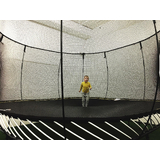

A safety net might not be the flashiest part of your trampoline, but it's definitely one of the most important. As kids leap, bounce and twist through the air, a strong net helps keep everyone within safe bounds. If that net wears down without anyone noticing, though, it raises the chances of falls and injuries during play. That’s why it makes sense to stay on top of its condition, especially when Perth’s sunny weather starts drawing families outdoors more often.
Regular checks don’t have to take long. A quick look every few weeks can make a big difference, and the sooner you spot a problem, the easier it usually is to deal with. Here’s a simple way to get started with safety net inspections, covering everything from visible tears to worn-down zippers and slack netting. Whether you’re prepping the trampoline for summer or just doing a routine check, putting safety first will keep the good times going.
Check the Net for Tears and Holes
It’s easy to assume your safety net is fine just by glancing at it from the back door. But small damages often aren’t obvious until you take a closer look. Set aside a few minutes to walk around the entire trampoline. Gently pull the net away from the posts to stretch it a little. You’re not trying to stress it, just enough to see if any holes or thinning patches show up.
Here’s how to spot trouble areas quickly:
- Stand outside the trampoline and inspect the full circle of the net, one section at a time
- Look for stringy parts, pulled threads or tiny gaps as these often grow with time and use
- If a hole is found, press lightly near the damaged area to see if the material holds steady
- Avoid poking fingers through weak spots, as this can cause more tearing
Perth’s strong sun can dry out or weaken synthetic threads, making even a net that looks fine wear out faster. If any patch looks brittle or thin, it might already be close to failing. Be especially cautious during warmer months when backyard play ramps up. Kids often bounce without thinking about where every foot might land, so even a 1cm hole can quickly become a bigger problem if left unchecked.
A quick tip is to do your check in the morning or early afternoon when the light is good, and your view of the stitching is clear. Cloudy or dim light often makes it harder to spot shallow cuts or sections where threads are starting to split. A small hand mirror can also help with getting a better angle near post connections and behind zip flaps.
Evaluate Net Tension and Support
Even if your net looks free of tears, it won’t do much good if it’s loose or hanging oddly. A trampoline safety net is designed to stay taut, forming a barrier that resists pressure when kids fall or stumble during a jump. Over time, the net can stretch, or its connection to the frame may weaken, especially if it’s been through a few hot summers or strong windstorms in Perth.
Here’s what to check during your tension test:
- Press gently against the net in various spots; if it sags inward too easily, tension might be off
- Look at how the net connects to the posts and check for slipping straps, worn sleeves or unravelled stitching
- Move each upright pole slightly to detect if the pole or its joint to the frame is loose
- Examine the clips or ties along the base as broken ones may need replacing or tightening
Tension loss is quite common, and you’ll usually spot it along the bottom or the top edge where the most pull happens. If the net billows or shifts more than expected, it might not catch a fall when it really counts. Re-securing mounts and firming up any slack areas will help extend its use and make each bounce safer.
In Perth, dry winds or sudden gusts can shift the net enough that it gradually loosens over time. After any wild weather or after long school holidays with frequent use, take a quick moment outside, press on the net, check the posts and wiggle each one just a bit. It could keep your trampoline setup solid well into summer.
Inspect Zippers and Entry Points
One section that often gets missed during a safety check is the entry point. It might seem minor next to the large net, but the zipper and flap do a lot to make bouncing safer. When an entry doesn't close properly, it can leave a gap small enough for an accident.
Start by giving the zipper a few test runs. It should open and close smoothly without catching. If it snags, skips teeth or stalls somewhere in-between, the mechanism may be wearing out. Make sure to also check where the zipper meets the stitching, as that junction usually sees the most wear after a lot of use or weather exposure.
Keep an eye out for:
- Loose, frayed or broken stitching around the zipper
- Entry flaps that curl or won’t sit flat against the net
- Clips or buckles that don’t lock as they should
- Gaps that remain even after the entry is fully zipped
Since the entry flap goes through a lot of movement, it wears faster than other parts of the net. If something is out of place or the flap won't close completely, it could leave an opening just wide enough to cause trouble. If zipper stitching gives out mid-bounce, that small opening could turn into a bigger issue quickly.
During warmer months in Perth, plastic and fabric parts can stiffen or become brittle, especially if the trampoline sits in the sun all day. You may notice the zipper gets tougher to move after a stretch of hot days. Track small warning signs now to prevent sudden surprises later.
Assess the Netting Material Condition
Even a tidy and secure net doesn’t always mean it’s holding up well inside. Most trampoline nets are made using synthetic fibres built for outdoor use, but the combination of strong sun and salty air in places like Perth can wear them out faster than planned.
Do a full sweep using your hand. The net should feel tight, smooth and slightly stiff. If it feels powdery, soft or fuzzy in patches, it may already be weakening due to UV exposure. If it leaves any flaky bits on your hand, your net could be on its way out.
Things to watch for:
- Colour fade or discolouration, especially around the top edges where the net gets the strongest sun
- White strips or flaking on the surface, which may point to UV damage
- Stiff edges or cracking material that might snap when tugged
- Changes in the feel of the net in some areas; it may stretch too much or feel crumbly
Living near the coast or having minimal shade over the trampoline speeds up wear. Often, one side of the net may be worse than the other, depending on sun direction. Turning the trampoline slightly from time to time or covering part of the net during downtime could add months of life to the material.
An easy trick to check material condition is comparing a lower shaded section with a higher sun-exposed one. If there's a major difference in feel or colour, it's probably time to start thinking about options before the net starts breaking down.
Schedule Net Replacement if Needed
It can be hard to admit when patching something isn’t going to work any longer. You might’ve already fixed a few tears, re-strapped some posts and fiddled with the zipper. But if the same parts keep needing attention, you’re likely spending more time on repairs than it’s worth.
Here’s when it may be smarter to replace the whole net:
- There are multiple small tears in different areas
- Any repaired holes reopen shortly after fixing
- The rim’s elastic has stretched out too far
- The zipper no longer lines up, even after tweaking
- The fibre feels soft, thin or crumbles when rubbed
Once a few problems stack up, the whole safety function of the net starts to wear thin. Relying on old or patched-up nets can backfire just when you need them most. Jumping is meant to be fun, not stressful. Replacing the net ahead of any big school holidays or summer gatherings avoids last-minute hassle and lets you focus on the fun stuff.
If your trampoline's been through a big season of use, or the weather has started wearing it down, take that as a sign to review whether a new net might make things safer more reliably.
Your Pre-Summer Check That Keeps Bouncing Safe
Five to ten minutes every few weeks is often all it takes to make sure your trampoline net is still doing its job. Catching broken zippers, faded material, or a loose post before trouble starts could be the one small step that keeps the whole afternoon safe.
Trampoline safety shouldn’t need second guesses. With eyes on a few key parts of the setup, you can make sure bounce time stays just that—bounce time. Peace of mind comes from knowing the entry point stays closed, the netting holds strong, and the edges can handle a stumble. Because when kids bounce without worry and parents stop pacing nervously nearby, the backyard becomes the best space to be.
After you’ve wrapped up cutting the grass, cleaned off the mat and prepped your barbecue for summer, take that moment to give the net one last look. A little effort now goes a long way in keeping the fun rolling in Perth’s great weather.
Ensuring your trampoline is safe and ready for action is important for peace of mind. If your enclosure has started to show signs of wear, you can keep things safe by browsing our options for trampoline nets replacement at Jump Star Trampolines. With the right gear in place, your family can keep bouncing safely under Perth’s sunny skies.