
How to Tell When Your Trampoline Needs a Replacement Mat
Author: Jump Star Trampolines Date Posted:11 January 2026
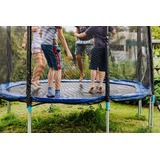

Over time, trampoline mats take on a lot. Between backyard sun, heavy foot traffic, and even birds passing through, it’s not surprising they wear out. In Perth, WA, the stronger summer UV and heat can cause even more surface stress during peak season. A mat that once had great bounce might start to feel flat or even unsafe without looking badly worn at first. That’s why it’s smart to check it now, before school holidays are in full swing.
Knowing when to replace a mat doesn't have to be hard. You just need to look for a few clear warning signs. If you're unsure whether your trampoline is still good to go, here’s how to tell when you might need a replacement trampoline mat.
Look for Obvious Tears or Holes
An easy place to start is the surface itself. Do a slow walk around and really check for any gaps, frayed spots, or worn out patches. It doesn't take a big rip to make jumping a risk.
• If there are small holes or thin spots, they often grow quickly once someone starts bouncing.
• Any ripped stitching along the edges can pull at the springs and cause an uneven stretch across the entire mat.
• Mats with early signs of tearing can look fine from a distance but fail when weight is applied, especially in warm weather.
We often see Perth families using their trampoline more during January and February. The extra use, combined with sun exposure, weakens old material much faster during this time of year. That makes a surface inspection especially important before summer jumps begin.
It’s also smart to take a closer look after any storms have passed. High winds or sharp debris in the yard can sometimes leave damage that goes unnoticed until the mat is under tension again. Light sometimes highlights flaws that aren’t so obvious on cloudy days, so try to do your inspection when the sun is out and the mat is dry.
Check for Surface Wear and Stretching
If the mat doesn’t have visible holes, that doesn’t mean it’s still in top shape. Some trampolines start to sag or soften in the middle, changing the way the bounce feels. This can be hard to spot unless you’re paying close attention.
• A stretched mat loses its spring and becomes more of a “sink” than a bounce.
• Worn-out fibres often feel soft or fuzzy compared to the firmer outside edges.
• Mats that sag too low may put more stress on the jumper’s knees and ankles, especially kids who don’t weigh much.
A trampoline that sags when someone light jumps in the centre usually means the fabric has given way. Once it’s stretched, there's no simple fix, especially if the mat droops even when the springs feel tight.
Along with checking the bounce, give the mat a gentle press in several places. Notice if the surface gives more in one area than another. If you start to find uneven spots, it could mean some sections have weakened, even if no holes have appeared.
Sometimes, wear develops over months without anyone noticing. Think about how many feet have landed in the exact same area, day after day. Those central spots tend to wear out the fastest, especially with children jumping repeatedly in the middle.
Watch for Fraying Around Spring Attachments
The edges where the mat connects to the springs take a lot of pressure, day after day. That’s where the most hidden damage can build up. We’ve seen plenty of cases where the middle of the mat looked good, but the outer areas had loosened quietly over time.
• Threads sticking out or visible fraying near the hooks usually signal a weakening connection.
• Springs that shift out of place or stretch unevenly are often connected to a mat that’s started to give.
• Once just a few points slip, the rest of the bounce surface ends up uneven, and the risk of spring snapping increases.
Give each corner and side a proper check. Feel where the metal meets the fabric. If anything moves more than it should, there may not be much time left before it starts to tear under use.
Don’t forget to look underneath the mat at the spring connections. Sometimes the fabric can be fine on the top, but threads underneath have come loose or even started to unravel. Wiggle the springs gently where they connect, checking that each is firmly attached and that the mat isn’t slipping off the hooks.
It’s natural for some thread ends to stick out a bit after years of bouncing, but anything more than light fraying is worth noting. If the loops look stretched or thin, it’s time to think about an update.
Consider How Old the Mat Is
Sometimes, damage isn’t what leads to replacement. Age alone can be enough. In Perth, a trampoline that sits under the sun year after year goes through a lot of temperature shifts. Even if it’s stored well or looked after, the mat still wears down with use and long exposure.
• Direct sun weakens trampolines slowly, especially if they’ve been through more than two or three summers.
• Mats that live outside through all four seasons end up stiffer and more faded, even if they haven’t torn.
• If the mat is older than a few years and hasn’t been looked over since, it’s worth doing a close check before summer arrives.
Avoid waiting until something fails. January heat mixed with school holiday energy means trampolines can go from fun to risky in seconds if they’re overdue for a look.
Think about how long your current mat has been in the elements. Heavy rain, strong sunlight, and even cold winter mornings all add up. Over time, all of these factors slowly break down the material, even if it looks sturdy on the surface.
If you’ve had your trampoline for several years and can’t remember the last time you inspected the mat, it’s better to be proactive. Older mats might not show big issues, but their fibres and stitching are often weaker than they appear.
When reflecting on how old the mat is, also think about how often it’s used. A mat that gets jumped on daily will wear through its bounce more quickly than one that’s pulled out just a few weekends each summer.
A Safer Bounce Starts with the Right Mat
When a mat holds together well, everything else tends to follow. The bounce feels better. The springs stay balanced. More importantly, injuries from slips or worn patches are less likely to happen. If something seems off, even if the issues are small now, it’s smart to step back and check properly.
• Replacing a mat before it fails protects both kids and adults, especially as backyard use increases in summer.
• Watching for surface changes, weak stitching, and spring problems gives early warning before things go wrong.
• In Perth, January is a busy time for backyard trampolines, so being ahead of potential wear matters.
A good trampoline is meant to bring hours of fun. A good mat keeps that fun safer, longer.
Is your trampoline ready for the summer fun? If you've noticed any fraying, fading, or worn patches, it might be the perfect time to consider a quality replacement trampoline mat to ensure safety and performance. Jump Star Trampolines offers durable mats designed for the Australian climate, so you can keep enjoying safe, active fun in your backyard. Reach out today to give your trampoline the refresh it deserves for the upcoming season.