
Signs Your Trampoline Pad Needs Replacing for Safe Backyard Play
Author: Jump Star Trampolines Date Posted:1 July 2026
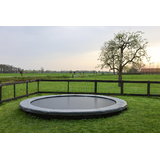

Bounce Into Summer with a Safer Trampoline Pad
A safe trampoline starts from the outside in. Long before kids start bouncing again, the safety pad that covers the springs and frame should get a good check. If that pad is worn out, cracked, or slipping out of place, the risk of pinches, trips, and bruises goes up very quickly.
As winter winds down and backyards across Australia start to see more sunshine, many families pull the cover off the trampoline and hope for the best. We suggest doing a proper look-over instead. Spotting early signs of wear and planning a trampoline pad replacement before the busy spring and summer months is one of the easiest ways to keep everyone safe and keep the trampoline itself in better condition for longer.
At Jump Star Trampolines, we focus on safe, durable trampolines, parts and accessories designed for Australian backyards and weather. That includes replacement safety pads for round, rectangle and in-ground models, so you can keep the fun going with confidence.
Why the Trampoline Pad Matters for Safety
The safety pad is not just there to make the trampoline look neat. It plays several key roles every time someone jumps, walks or climbs on and off the frame.
A good pad helps by:
- Covering exposed springs so feet and hands do not get caught
- Softening any misjudged landings near the edge of the mat
- Reducing the chance of pinching, scrapes or bruising on the hard frame
- Creating a clear, padded border between the jumping area and the ground
Some people think that if the mat and safety net are in good shape, they are covered. But if the pad is worn out, the net and mat cannot completely protect jumpers. A foot can still slip between exposed springs, or a child can land on bare metal that should have been padded. All of the safety parts need to work together, not on their own.
Australian conditions are tough on trampoline pads. Strong UV from our sun, sudden storms, backyard dust and very heavy use during school holidays all speed up wear. If you ignore the pad, these forces quietly break it down, even while the rest of the trampoline still looks fine. That is when small problems can turn into accidents.
Signs Your Pad Needs Replacing: What You Can See and Feel
There are two types of wear to look for: visible damage and hidden wear that you only notice when you touch or use the trampoline.
First, do a visual check around the whole frame. Clear signs that a trampoline pad replacement is due include:
- Cracked or brittle vinyl that splits when you bend it
- Tears or rips in the cover, even if they look small
- Foam poking out from seams or corners
- Faded, chalky surfaces that leave a powder on your hand
Stand back and look at the way the pad sits. If you see sagging, warping or uneven sections that no longer lie flat, it can allow gaps to open up between the pad and mat. Those gaps are trip points and can lead to feet slipping down towards the springs.
Many families try patching or taping over tears to get a bit more use from an old pad. For very small nicks, that might hold for a short while, but tape will not stand up to strong sun, rain and repeated footsteps. Once you are dealing with long splits, large worn patches, constantly lifting edges or foam that is exposed in several places, a full trampoline pad replacement is usually the safer and more economical choice. At that point, the pad is no longer doing its main job.
Hidden wear often shows up before you can see big rips. As you walk around the edge, press down firmly along the pad:
- If the foam feels thin, lumpy, spongy or flat, it is losing its impact protection
- If you can feel the outline of the frame or individual springs, the padding is too compressed
- If you hear more metal clinks or creaks than you used to, the pad may not be shielding the springs properly
Also check the way the pad attaches:
- Loose or broken ties that no longer reach around the frame
- Frayed stitching that looks ready to snap
- Velcro or clips that will not stay fastened
Any of these are early warnings that the pad is not staying secure. A pad that shifts or blows up in the wind can leave bare metal right where kids expect to step.
Weather, Age and Use: How Long Should a Pad Last?
No trampoline pad lasts forever, especially under Australian sun. The life of a pad depends on a few things:
- Strong UV and heat that dry and crack vinyl
- Coastal air that can be harsher on materials
- Heavy family use, especially when several kids jump most days
- Whether the trampoline is covered when not in use
As a simple habit, we suggest:
- A careful end-of-winter inspection before spring, when the trampoline starts getting busy again
- Quick checks after big storms, strong winds or hail
- A review after long school holiday breaks, when the trampoline has had a workout
If a pad is getting older and you are seeing repeated small splits, fading that keeps getting worse or ties that keep breaking, it is a good idea to plan a trampoline pad replacement before the warmer months. That way you are not caught out with a damaged pad right when everyone wants to use the trampoline the most.
Choosing the Right Replacement Pad
When you are ready for a new pad, getting the right size and type is very important. Guessing or going for a “near enough” fit can create new safety risks.
Key measurements to take include:
- Overall trampoline size, measured across the widest part of the frame
- Frame shape, such as round, rectangle or in-ground style
- Spring length, measured from hook to hook when removed
- Spring count, by carefully counting all the springs around the frame
A pad that is too narrow can leave parts of the springs uncovered. A pad that is too wide can buckle, bunch up and move around.
Quality also makes a big difference. When comparing pads, look for:
- UV-resistant PVC on the top surface to handle Australian sun
- Thick, high-density foam that feels firm but not rock hard
- Strong stitching and well-finished seams
- A secure attachment system, such as sturdy ties or straps that suit outdoor use
At Jump Star Trampolines, we offer replacement pads sized for our range of round, rectangle and in-ground trampolines, with features chosen for local backyard conditions. Using a pad made to match your trampoline model helps keep the performance and safety close to how it was when new and supports the overall design of the frame and springs.
Take Action Now for Safer Backyard Fun All Year
A quick safety audit only takes a few minutes but can prevent a lot of worry. Walk around your trampoline this week, look closely at the pad, press along the edges and test the attachments. If you notice damage, take clear photos so you can compare over time and decide if it is time for a trampoline pad replacement.
Replacing a worn pad before it fails fully helps in several ways. It lowers the chance of injuries, keeps your trampoline ready during school holidays instead of sitting “out of action”, and also protects the frame and springs from extra exposure. When the pad is doing its job, everyone can focus on bouncing, not on what might be hiding under their feet.
Upgrade Your Trampoline Safety And Comfort Today
If your trampoline is looking tired or the padding is worn, now is the ideal time to organise a quality trampoline pad replacement with Jump Star Trampolines. We make it easy to match the right size and style so your family can get back to safe, comfortable bouncing sooner. If you are unsure what you need or have questions about fitting, simply contact us and we will help you choose the best option.