
Safe 10ft Trampoline Clearance in Small Aussie Yards: Setbacks & Fall Zones
Author: Jump Star Trampolines Date Posted:4 October 2026
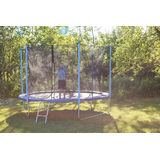

Make Your 10ft Trampoline Safe in a Tight Backyard
Safe clearance around a 10ft trampoline is just as important as the trampoline itself. In many Aussie backyards, space is tight, fences are close, and there are sheds, pergolas, and washing lines everywhere. Getting the placement wrong can turn a fun new toy into a real worry.
In this guide, we will walk through how to give a 10ft trampoline enough breathing room in a compact yard. We will look at setback distances from fences and structures, checking for overhead hazards, planning fall zones and surfaces, and a few extra checks for wind and hot weather. The goal is simple: keep the kids bouncing, and keep you relaxed, without giving up your whole backyard.
Understanding Your 10ft Trampoline Footprint
When people hear "10ft trampoline", they often picture the size of the jumping mat. In most cases, that 10ft refers to the outer diameter of the round frame, not just the fabric in the centre. That frame edge is what matters for safety clearances, because it is the hard part that sits closest to nearby walls, fences or trees.
Once you add everything else, the footprint grows. Around a typical 10ft trampoline you may have:
- Safety padding over the springs
- An enclosure net that leans out slightly at the top
- A ladder or step area for safe entry and exit
- Space for kids to gather before they climb on
All of this means the real space it takes up is larger than the number on the box. In a small Aussie yard with brick walls, metal fences or garden sleepers, that extra buffer matters. It helps to think in terms of a "safety bubble", not just the frame size. If you plan for that bubble from the start, you are less likely to end up boxing the trampoline into a risky corner.
Mapping Safe Setback Distances in Small Yards
Once you know the true size, you can start working out setback distances. In a perfect world, you would leave a clear border of soft ground all the way round. In a real suburban block, you might be squeezing between a shed and the back fence.
As a general guide for a 10ft trampoline:
- Aim for at least 1 metre of clear space from the frame to any fence, wall, shed or garden edging
- If you can, 1.5 to 2 metres is even better, especially near hard surfaces
- Keep extra distance from sharp corners like brick edges, metal posts and retaining walls
If space is tight, focus on the most likely areas kids may fall or stumble when they climb off. Try to avoid placing the ladder side directly against a fence or garden bed. Choose a corner or zone that:
- Is as flat and level as possible
- Does not sit in a low, boggy patch after heavy rain
- Is not in the main path from the house to the clothesline or garage
To map it out, a few simple tools help a lot:
- Use a tape measure to mark the trampoline frame size on the ground
- Add your safety bubble distance all the way around
- Mark the circle with tent pegs and string, or a ring of sports cones or spray chalk
Walk around that marked area and look at it from a child’s height. If anything feels too close or too hard, adjust the position before the frame ever comes out of the box.
Spotting and Fixing Overhead Hazards
On a trampoline, kids do not just move sideways, they go up. That means overhead space is just as important as side clearances, especially as kids grow and jump higher.
Common overhead hazards in Australian backyards include:
- Eaves, gutters and low pergolas
- Shade sails and low-hanging umbrellas
- Rotary clotheslines and fixed lines
- Tree branches, palm fronds and fruit trees
- Power lines running along back fences
A simple way to think about it is to give generous clearance from the top of the enclosure net upwards. Aim for several metres of clear sky above the highest point of the net, not just the mat. That extra space allows for higher jumps, future growth spurts, and the flex of the net and frame.
To reduce overhead risks, you might:
- Shift the trampoline away from eaves or pergola roofs
- Trim low branches, or choose an area away from large trees
- Adjust or move a shade sail so it sits well above the net
- Re-route or stop using a low clothesline in that area
If you are unsure about power lines or big tree work, get professional advice. It is never worth guessing where electricity or heavy branches are involved.
Designing Safe Fall Zones and Soft Surroundings
Even with a good enclosure net, it pays to plan for what happens if a child comes off the trampoline or lands awkwardly near the edge. The "fall zone" is the area around the trampoline where someone might land or stumble.
Think about:
- Where kids step on and off the ladder
- Where they might tumble after a silly jump near the edge
- Where siblings or friends might be standing nearby
For surfaces around a 10ft trampoline:
- Lawn is usually the most forgiving everyday option
- Mulch or soft garden material can help, as long as it is not full of sticks or rocks
- Synthetic turf can work if it has some cushioning underlay
- Pavers, concrete and brick are best kept outside the immediate fall zone
If you only have hard surfaces, consider adding impact-absorbing material in a ring around the frame. Also keep the area clear of clutter such as:
- Garden tools, hoses and edging
- Pot plants and garden ornaments
- Toys, scooters and bikes
- Sharp or hard borders near the ladder
A quick tidy before jump time can make a big difference to how serious a small fall might be.
Extra Safety Checks for Wind, Weather and Summer Use
Australian weather can be rough on trampolines, especially in coastal areas or suburbs that funnel wind between houses. A 10ft trampoline has enough surface area for strong gusts to move it if it is not anchored properly.
Good habits here include:
- Using suitable anchor kits to secure the frame to the ground
- Checking anchors after heavy rain or strong winds, as soil can loosen
- Moving the trampoline if your yard creates a wind tunnel between structures
As weather warms up, surfaces can get very hot in the afternoon sun. Before kids jump, quickly check:
- The mat temperature with your hand
- The pad and ladder, which can heat up in full sun
- Any signs of sun damage or brittleness in nets and pads
A simple, regular safety checklist helps keep your 10ft trampoline in good shape:
- Check bolts, screws and frame joints for tightness
- Look over pads for tears or gaps that expose springs
- Test net attachments and the zipper or entry points
- Clear leaves, sticks and debris from under and around the frame
Doing this often, rather than only when something looks wrong, can catch small issues before they turn into bigger problems.
Turning a Compact Backyard Into a Safer Jump Zone
A safe 10ft trampoline setup in a small Aussie yard comes down to a few clear steps. Know the true footprint of the frame, plan a safety bubble bigger than the stated size, map sensible clearances from fences and walls, remove or reduce overhead hazards, and keep the fall zone soft and uncluttered.
Taking a tape measure outside and walking your yard with fresh eyes is one of the most effective things you can do before you buy or build. A few small shifts in placement can help protect both your kids and your backyard, and make it easier to enjoy a 10ft trampoline even in a tight suburban space.
Bring Safer Backyard Fun Home Today
If you are ready to create a fun and active play space at home, we are here to help you choose the right 10ft trampoline for your family. At Jump Star Trampolines, we focus on quality materials and safety features so you can feel confident every time the kids jump. If you would like help with sizing, setup or accessories, simply contact us and we will guide you through the options.