
Safe Jumping Heights for Different Age Groups
Author: Jump Star Trampolines Date Posted:8 December 2025
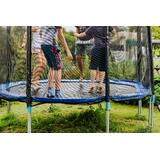

Trampolines are a great way for kids to burn energy, pick up coordination skills, and enjoy some time outdoors. But as fun as they are, trampolines also come with a few safety rules that shouldn’t be overlooked. One of the most important? Understanding how high your child should be jumping based on their age. Not every child bounces with the same strength or awareness, so jumping heights need to match their physical development.
Perth families especially enjoy trampolines during the warmer months, but before letting the kids loose for summer, it helps to set a few safety expectations. It's not about strict rules for the sake of it. It's about making sure everyone has fun without risking injury. Knowing the right jumping height can help reduce stress for parents and give kids the confidence to play safely. Here’s how those heights differ depending on the age group.
Understanding Safe Jumping Heights For Different Age Groups
It's easy to assume that taller jumps equal more fun, but trampolines work best when kids jump at their own skill level. Safe jumping heights are there to keep play enjoyable while avoiding accidental tumbles or overuse injuries. As children grow, their strength, balance and coordination improve, which makes age-appropriate play even more important.
In Perth, with lots of families spending time in the backyard, it’s common to hear the joyful squeak of a trampoline spring. But what’s not always obvious is how different age groups should be using their trampoline. While older kids might be able to handle higher jumps and tricks, toddlers and young children need more structure around how and where they bounce. That’s where careful supervision and the right equipment come into play.
Instead of setting strict height limits your child has to follow each time they jump, use their age and behaviour as a guide. Here’s how to think about it by age group.
Toddlers (2–5 Years Old)
For toddlers, trampolining is more about tiny bounces and coordination rather than height. Their leg strength is still developing, so even small jumps feel big to them. At this age, safety should be the main priority. Toddlers don’t yet have full control of their body movements, so spills and collisions are more likely without close supervision.
- Choose a kids trampoline with a net to stop accidental falls
- Set it up at ground level or choose a low-set frame
- Stick to one child on the trampoline at a time
- Make sure shoes are off and there’s nothing else on the mat
- Keep jump time short and consistent. Around five minutes at a time is usually plenty
A good rule of thumb for this age group? Less height, more structure. If your toddler starts to get carried away and jump too high, it's time for a gentle reminder or a break. Even on smaller bounce setups, toddlers can pick up basic balance skills while staying well within a safe range.
Children (6–10 Years Old)
By the time children hit primary school age, they’re getting stronger and more confident. Their bounces may be higher and more consistent, and they can usually follow basic trampoline rules more independently. Still, this is the stage where overconfidence can lead to trouble.
Safe jumping for children in this age group often means keeping their feet below around mid-height of the net. Anything more, especially with flips or spins, increases the chance of injury unless they’ve had proper instruction.
To keep things safe and fun:
- Always use a trampoline with a safety net
- Make sure the area around the trampoline is clear and padded
- Set firm rules about one jumper at a time
- Help them learn how to jump in the centre of the mat consistently
- Watch for signs of exhaustion which can lead to bad form or trips
Children this age love to test their limits, especially when playing with friends. That’s why rules matter. Regular reminders, especially during group play, can reduce risky moves and keep everyone safe while still enjoying the bounce. One Perth dad mentioned he limits his kids’ jumps by using gentle music as background. When it gets louder and chaotic, it's time for a reset or quiet time off the trampoline.
Preteens and Teens (11–15 Years Old)
Older kids tend to have better coordination, stronger muscles and more control over how high they jump. This means they’re capable of bigger moves and higher bounce zones, but it also comes with greater risk. Preteens and teens sometimes overestimate their skill, especially when they're trying to impress friends or show off during backyard games.
A good height range for this group is around waist to chest height, depending on the size of the trampoline and how experienced they are. Anything beyond that, especially when paired with rotations or flips, should always be watched carefully. If your teen has any sports injuries or joint issues, high jumping should be limited until cleared by a health professional.
This age group can enjoy longer bounce sessions, but set ground rules to help things stay safe:
- Always jump in the centre, never at the edges
- No attempting tricks without guidance or supervision
- One jumper at a time is still the safest rule, especially on home trampolines
- Make sure the netting is in good condition and the zipper or latch is always closed
- Keep the frame and mat dry, especially in Perth’s summer evenings when condensation can form
It’s worth having a talk with older kids about why height limits matter. Instead of sounding like a lecture, connect it to their goals. Whether it’s keeping them fit for footy or ready for their next dance class, most teens will get on board when they realise safety routines help them keep doing the things they enjoy.
Basic Trampoline Safety Tips For All Ages
Jumping height is only part of keeping kids safe on trampolines. Even a low bounce can cause harm if other factors aren’t in place. Regular checks and a few key habits go a long way in making sure everyone avoids unnecessary risks.
Here are a few year-round checks and habits to stick with:
- Inspect padding and netting for signs of wear or sun damage. Perth sun can be tough on materials
- Tighten springs and ensure the frame isn’t warping or shifting, especially after heavy rain
- Don’t allow pets on the trampoline. They can poke holes or create distractions mid-jump
- Clear the area under and around the trampoline, especially for in-ground models
- Watch out for toys, bags or chairs nearby that could be tripping hazards
It’s also smart to set time limits. Even older kids can tire themselves out without realising it, and that leads to clumsy landings or poor form. Short, frequent sessions are safer than long ones when fatigue kicks in, particularly during Perth’s hotter days around December.
Keeping Backyard Bouncing Safe and Fun
Trampolines can be safe and exciting for kids of all ages with the right structure in place. Parents in Perth know how quickly the backyard becomes the main play zone during summer. Understanding which jumping height suits your child is one of the simplest ways to keep that playtime fun instead of stressful.
From tiny toddler bounces to teen-level tricks, the focus stays the same. Match the jumping style with the child’s development and the equipment’s setup. A kids trampoline with netting, paired with regular safety checks and age-appropriate boundaries, helps everyone stay safe and enjoy themselves with peace of mind.
The best trampoline sessions are the ones where everyone walks away smiling. By tailoring trampoline use to your child’s age and comfort level, Perth families can create a backyard space that’s both active and safe no matter how high the jump.
To help your kids jump safely and confidently in the backyard, it’s worth checking out a quality kids trampoline with net that suits their age and play style. Jump Star Trampolines offers options designed for both safety and fun, giving you one less thing to worry about while they bounce the day away.