
Rainy Day Setup Tips for a Trampoline with Net
Author: Jump Star Trampolines Date Posted:27 May 2026
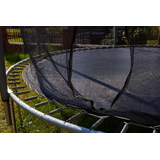

Rain-Ready Trampoline Safety When Storm Clouds Roll in
Rain does not always stop kids from wanting to bounce. On damp, grey days, a trampoline with a net can still be a great way for them to burn off energy, as long as you set it up with wet weather in mind. The trick is knowing what is safe, what needs a quick check, and when it is time to pause the fun.
As late autumn rolls into winter in many parts of Australia, showers, cold snaps, and slippery grass become part of normal backyard life. A well-looked-after trampoline can handle this, but it does need a bit of extra care. Quality, safe, durable trampolines and parts that suit local weather can make a real difference. Here we will walk through pre-rain prep, wet-weather checks, smart net use, and after-rain care so your setup stays safe and ready for the next bounce session.
Prepare Your Trampoline Before the Rain Arrives
The best time to get your trampoline ready for rainy days is before the clouds gather. A short check in May, then regular quick looks through winter, helps protect both your kids and your investment.
Start with a simple pre-rain inspection of the main structure:
- Frame: Look for movement, bends or signs of rust starting.
- Springs: Check they are all attached, evenly spaced and not overstretched.
- Mat: Look along the stitching and edges for fraying or tiny holes.
- Net poles: Make sure they are straight, snug in their sockets and not wobbling.
Then run through a quick tighten-and-secure checklist:
- Tighten frame bolts and fixings so nothing rattles.
- Check the legs sit flat and stable, especially if the ground gets soft and muddy.
- Confirm the safety net is firmly attached all the way around, with no loose ties.
- Zip or latch the entry a few times to make sure it runs smoothly and closes fully.
You can also add a few weather-ready upgrades so a trampoline with a net stays put in gusty, showery conditions:
- Ground anchor kits to help hold the frame down in strong wind.
- Spring covers and pads that sit correctly and do not flap.
- Ladder ties, so the ladder does not shift on wet grass or tip when kids climb.
These small steps can save you from bigger problems later, like a shifted frame, stretched net or damaged mat.
Manage Wet Surfaces and Slippery Bounce Zones
Once the rain has hit, the main risk is slipping. A wet jumping mat, damp shoes and metal ladders can turn a normal bounce into a slide if you are not careful. Setting clear family rules helps keep things safe even when everyone is excited to get outside.
Good wet-day rules for kids include:
- Bare feet only on the trampoline, no socks and no shoes.
- No flips or fancy tricks when the mat is damp.
- Only a small number of jumpers at once to avoid bumping into each other.
- No racing up and down a wet ladder.
It also helps to set up a simple rainy-day routine:
- Towel dry the mat and padding before anyone hops on.
- Sweep off leaves, twigs and puddles with a soft broom.
- Look for any sagging spots where water pools, then gently push the water off the mat’s edge.
- Check the pads are properly covering the springs and not holding water underneath.
Some days, the safest choice is to call the trampoline off-limits. You should pause jumping:
- During heavy rain when the mat becomes soaked.
- Anytime there is lightning or thunder in the area.
- In strong or gusty winds that can throw jumpers off balance.
- When visibility is low, for example in fog, very dark clouds or at dusk without good lighting.
The net is there to help, but it cannot fully protect kids if the weather itself makes bouncing risky.
Use the Safety Net Smarter in Rainy Weather
A quality enclosure around a trampoline with a net adds extra peace of mind on drizzly days. Kids might rush, misjudge their footing or run around instead of bouncing when surfaces are damp. The net can help catch small stumbles before they turn into big spills.
To keep the enclosure doing its job, build net checks into your wet-weather routine:
- Make sure the net is pulled taut and not sagging between poles.
- Inspect zips and clips so they close completely without gaps.
- Look closely near the entrance for spaces where a foot or leg could slip through.
- Check the bottom of the net is attached firmly to the frame or mat, depending on the design.
You can also make a few comfort and safety tweaks:
- Use a non-slip cover or mat over metal ladder rungs to give better grip in the wet.
- Teach kids that the entry must always be zipped or latched while they are inside.
- Set age-appropriate rules, like only one to two younger children at a time, and gentle bouncing when surfaces are damp.
- Remind older kids that the net is not for leaning, climbing or swinging on.
When everyone in the family understands the net rules, the enclosure works with you instead of becoming something kids treat like a toy.
Protect Frames and Fabric From Ongoing Moisture
Rain itself is not the enemy, but leaving your trampoline soaked for days can shorten its life. Repeated wet weather, especially in cool months when things dry slowly, can lead to rust, mould and weak stitching if you ignore it.
After rain, a little care goes a long way:
- Wipe down exposed metal parts like the frame, poles and ladder with a dry cloth.
- Shake or towel dry the mat so water does not sit in one spot.
- Gently shake the net or pat it with a towel to remove extra moisture.
- Pull back the pads briefly to clear out leaves, dirt and grit that hold water against the springs.
- Let everything air dry before putting weather covers back on, if you use them.
Over time, you may notice signs that some parts are ready for a refresh, especially after repeated wet spells. Keep an eye out for:
- Fraying netting or pads that have started to split.
- UV-faded fabric that feels thin or brittle to the touch.
- Persistent sagging in the mat or net that no longer tightens up properly.
When that happens, swapping in fresh nets, pads or mats can bring your setup back to a safe, comfy bounce zone without replacing the whole trampoline.
Create a Rain-Ready Trampoline Habit This Winter
The safest trampolines are not always the newest ones. They are the ones that get checked often. A quick weekly habit in rainy seasons keeps your trampoline with a net safe, secure and inviting, even when the lawn is soggy.
A simple routine might look like this:
- One short visual check of frame, mat, springs and net each week.
- A quick tighten of any loose bolts you spot.
- A wipe down after any solid rain, especially if the trampoline stayed wet for more than a day.
- A chat with the kids every so often to remind them of the wet weather rules.
As you look over your setup, you might spot a few things worth upgrading before winter settles in properly, like adding anchors, replacing tired padding or fitting a fresh enclosure. With the right setup and these simple habits, your family can keep bouncing safely, even when the sky turns grey and the showers roll through.
Give Your Kids a Safer Way To Bounce and Play
Choose a high quality trampoline with a net from Jump Star Trampolines and give your family a fun backyard activity with added peace of mind. We design our trampolines for Aussie conditions, so you can feel confident they are built to last. If you have any questions about sizes, safety features or delivery, simply contact us and we will help you find the right fit for your space.