
Questions About In-Ground Trampolines for Small Australian Yards
Author: Jump Star Trampolines Date Posted:5 April 2026
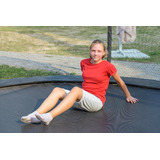

Rethinking In-Ground Trampolines for Small Yards
Many Australian families have smaller backyards now, but still want a spot where kids can run, jump and burn energy outside. A trampoline often feels like the natural answer, especially when screen time keeps creeping up and space is tight. The big question is what type of trampoline actually makes sense in a compact yard.
In-ground trampolines in Australia look very appealing. They sit low, they do not block the view, and the step up is easy for younger kids. But when the yard is on the small side, the pretty photos do not always show the full story. We want to gently question the trend and help you work out if an in-ground setup really suits your space, or if another style would work better. As a local trampoline specialist, we spend a lot of time thinking about yard sizes, soil, and weather, so let us break it down in plain language.
Space Reality Check in Small Aussie Backyards
First, space is about more than the size of the hole. Any safe trampoline, in-ground or above ground, needs a clear play zone around it. Kids do not bounce in a perfect circle. They drift, they wobble, they jump a bit wild.
You want:
- Clear space all around the edge of the mat
- No hard surfaces like pavers, brick edging or concrete close to the frame
- No garden stakes, metal furniture, or sharp plants nearby
- Enough room so the safety net, if you have one, does not hit a fence or wall
Small Aussie yards often have sneaky problems, like:
- Narrow side strips along the house
- Boundary fences right where the trampoline would naturally go
- Pools, pool paving and steps cutting up the lawn
- Raised garden beds and tree trunks eating into the open space
On top of that, you may need to think about council rules and safety guidelines, such as how close to a fence or boundary you can place a structure. Tree roots and underground pipes can also limit where you can dig a big pit. If you hit a large root or line halfway through a hole, that project gets messy fast.
Before you fall in love with the idea of an in-ground trampoline, grab a tape measure. Mark out the size of the jump mat, then add extra space around it with pegs, spray paint or string. Walk around it and picture:
- Can people walk past safely?
- Will a safety net brush a fence or roof?
- Could a future shed, dog run, or veggie patch need this space later?
That quick exercise can save a lot of regret.
Safety and Drainage Questions Below the Surface
It is easy to think an in-ground trampoline must be safer because it is low to the ground. In some ways that is true, especially for the step height. But safety in a small yard is about the whole setup, not just the height of the frame.
With an in-ground design you still want:
- A safety net if kids are young or playful
- Clear sightlines from the house, so adults can glance out and check on things
- A safe zone around the outside, even if the mat is at ground level
Drainage is another big one for in-ground trampolines in Australia. Many areas get heavy summer storms, and a big pit in clay soil can act like a bathtub. If water pools under the trampoline, you can end up with:
- A muddy, smelly pit
- Faster wear on metal parts
- Mosquito problems
- A surface that feels soft and boggy underfoot
To manage drainage, people often add gravel at the base, or a drain, or even a sump system. That takes planning and good knowledge of how water moves across your yard. On small blocks, getting the right slope and pipe runs can be tricky, especially if access is tight for digging equipment.
Airflow also matters. A trampoline needs air to move in and out under the mat. If the pit is too tight or sealed, the bounce can feel flat and heavy, as the air cannot escape fast enough. That means you may need vents in the surround or a certain gap around the frame, which changes the neat, flush look some families are chasing.
Cost, Installation and Maintenance Trade-Offs
The price tag on the trampoline itself is only part of the story. Putting an in-ground trampoline into a yard usually comes with extra costs, like:
- Excavation to dig a deep, wide hole
- Soil removal and dumping
- Drainage materials and labour
- Retaining rings or support walls to hold soil in place
On a small block, you might not be able to get a tiny digger around the side of the house. That can mean more hand digging, more time, and more disruption to your lawn and garden. Access through a garage or over paving can also add stress, as heavy gear may need protective boards or special handling.
Once it is in, the trampoline pit needs regular care. You may need to:
- Clear out leaves and rubbish that blow into the hole
- Check drainage works after heavy rain
- Inspect the frame, pad and mat for rust, wear and damage
- Keep nearby plants trimmed so they do not block the net or drop sharp branches
By contrast, an above ground trampoline usually goes together on the surface, with far less digging or change to the yard. If you later decide to move it a few metres, change the layout, or take it with you to a new home, that is much simpler.
Smarter Trampoline Options for Compact Spaces
If an in-ground pit feels like too much for your space, there are still plenty of clever ways to fit a trampoline into a small Aussie yard.
Smaller round trampolines can tuck into a corner of lawn and still give a fun bounce for younger kids. For narrow or awkward yards, rectangular trampolines can be a real winner. They sit neatly along a fence or wall, making good use of space that might otherwise be wasted.
Rectangular designs often:
- Fit better along the long side of a yard
- Give a consistent, even bounce right across the mat
- Work well for kids who like practising tricks in a straight line
Above ground models are also flexible. If you later build a deck, add a shed, or change where your clothesline sits, you can shift the trampoline to suit. If the kids outgrow a small size, you can upgrade the frame and mat, or pass the old one on.
At Jump Star Trampolines, we focus on trampolines and parts that stand up to local backyard conditions. That means tough materials for sun and rain, safety features built with active kids in mind, and spare parts support so you can keep your trampoline in good shape over time.
How to Decide If In-Ground Trampolines Suit Your Yard
So, how do you know if an in-ground setup is right for your place? A simple checklist can help you sort it out.
Measure and think about:
- Total yard size and shape
- Clearance from fences, sheds and hard surfaces
- Distance from the house for easy supervision
- Soil type and how your yard handles heavy rain
- Access for digging machines or trades
In general, in-ground trampolines in Australia tend to suit families who have wider blocks, a flexible landscaping budget, and a clear long-term plan for their backyard layout. If you are already redoing the garden, putting in drains or reshaping levels, it can fit in well.
If you are renting, might move in a few years, or your yard has lots of levels and tight corners, above ground options are usually easier and less permanent. Rectangular or compact round trampolines often give you the best balance of space, safety and fun.
Many people find it helpful to sketch their yard on paper and draw in a few different trampoline sizes and shapes. Mark the safe zones around each one. Look at how much lawn or garden you lose, how close it feels to windows or the pool, and which layout makes your whole yard work best.
Plan Your Best Backyard Jump Space This Autumn
Autumn is a great time to sort out a trampoline setup. The days are cooler, the sun is softer, and kids still want to be outside after school and on weekends. It is a smart season to plan, measure and make changes before winter slows outdoor play down.
Use what you have learned to question the trend, not your space. An in-ground trampoline might look stylish in photos, but the best choice for your family is the one that fits your yard, your kids and your future plans. At Jump Star Trampolines, we are here to help you compare in-ground and above ground options and find a size and shape that works for your small Australian backyard, so your kids can jump safely and happily for years to come.
Transform Your Backyard With A Safer, Smarter Trampoline Setup
If you are ready to give your family more usable outdoor space with a cleaner look, explore our range of inground trampolines in Australia designed for Aussie homes. At Jump Star Trampolines, we focus on quality, safety and easy installation so your trampoline fits seamlessly into your landscape. If you would like tailored advice on sizing, installation or safety, simply contact us and we will help you plan the right setup for your yard.