
How to Prevent Spring Damage When Moving Your Trampoline
Author: Jump Star Trampolines Date Posted:29 March 2026
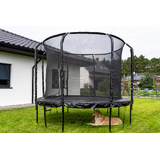

Early spring in Perth, WA, often brings gusty weather, scattered rain, and mild temperature changes that can make yard work tricky. If you’re planning to move your trampoline during this time, now is a good moment to think through how to keep all the parts safe, especially the trampoline springs. Springs carry a lot of the bounce load and are more exposed than many other pieces of your setup. When handled carelessly or left out in the wet, they are more likely to rust, stretch, or snap.
Moving a trampoline may seem like a straightforward task, but skipping a few small steps can lead to damage that will take the fun out of using it. That is why we are sharing how to prepare your gear properly. A bit more care during your move means fewer repairs and more hours enjoying the backyard.
Check Weather and Ground Conditions Before You Start
Timing makes a big difference when moving bulky outdoor gear. A warm, dry day in early April is best for shifting your trampoline across the yard (or to a new home altogether).
- Avoid any move straight after rain when the soil is loose or spongy
- Damp ground makes lifting and balancing awkward, which puts extra strain on weak joints and frame areas
- Check the forecast ahead to make sure winds are calm, spring gusts can tip over unweighted trampolines fast
- If you are not moving it far, try to plan in stages so the trampoline does not sit half-built in the open for too long
Working in the right conditions gives you time to handle each part with care and avoids letting metal pieces soak in puddles or soft grass unnecessarily. If you are setting aside parts to move later, keep them sheltered from the breeze.
Prep Trampoline Springs and Components Properly
Before you start pulling out springs or lifting frames, do a quick check of each piece. The trampoline springs need special attention since any wear that builds up during a move can affect how smooth or safe the bounce feels later.
- Check spring tension by gently stretching one or two, look for rust, dents, or bends
- Use gloves and long-nose pliers when removing older springs, as a sudden snap can pinch fingers
- Have a clean cloth or dry container nearby to store each spring as it comes off
Spring tension should feel strong but flexible. If any feel sharp or the ends are rough, set those aside to replace them later. Wrapping the springs while they are off the frame adds a layer of protection if you are expecting any overnight dew or mist.
Jump Star Trampolines offers galvanised steel springs in 5.5 inch and 7 inch sizes, rust resistant for wet weather, and easy to match from our parts page, making swaps or upgrades simple during your move or rebuild.
Disassemble Safely and Store Parts Correctly
Once you are ready to start taking things apart, be slow and steady. Always remove the soft materials first so you are not letting the mat or netting sit damp on the ground.
- Take off the padded edge, net, and jump mat before removing springs or unhooking the frame
- Stack metal parts in a dry, shaded area and weigh them down so they do not move in the wind
- Try not to leave items like screws or spring clips loose on soil, they are easy to misplace
It helps to keep similar pieces bundled together. Wrap springs in separate cloths so they are not rubbing or catching. Label parts if you are waiting more than a few days between move out and set up. This takes away the guesswork when putting everything back.
To further keep things organised, consider snapping a quick photo of your trampoline before taking it apart. This helps provide a reference for reassembly, especially if multiple people are helping or the move gets spread out over a couple of days.
Reassemble With Spring Tension in Mind
When it is time to rebuild, check all corners before connecting springs to the frame and mat. Over-tightening springs or setting them up unevenly can lead to wear that shortens their lifespan or creates bounce spots that feel off.
- Place springs at even intervals around the mat, do not tighten one side fully before working all around
- Avoid using old springs that have deep rust patches or ones that do not spring back properly after being pulled
- Gently wipe edges and hook points before reattaching, especially if any dirt or grit has been sitting for a while
Spring layout needs to be balanced. Swapping old springs for new ones might sound like extra effort during a busy move, but it will help protect both the mat and frame. Even if most springs appear serviceable, look for any that have changed colour, bent oddly, or feel weaker on the stretch. Changing out just a few worn ones can make a big difference in how the trampoline bounces and how long it lasts.
When reassembling, work with another person if possible. Each helper can keep the mat taut and the springs evenly spaced, cutting down on accidental over-stretching or losing tension in one section.
Short-Term and Long-Term Spring Care
Once your trampoline is in its new spot, it is easy to overlook the smaller checks. But with Perth's autumn months sneaking in a few drizzly mornings, now is a good time to keep watch on how well things are holding together.
- Spare springs should stay indoors when they are not in use, away from heat and moisture
- Every few weeks, do a quick inspection of spring tension and frame joins, especially after any strong winds
- Let the underside breathe by lifting one side slightly or placing it on blocks temporarily, this lowers moisture buildup
Trampoline springs do a lot of quiet work keeping the jump smooth, but they wear faster when left in damp spots or exposed to harsh elements without care. Paying attention to these checks helps avoid rust and loss of springiness, which takes away from the trampoline’s performance.
Check for squeaks or odd noises while bouncing. These often hint at dirt or grit working into the spring joints, and a simple wipe down or application of a mild lubricant can bring back the silent stretch. Also, consider shielding the trampoline with a weather cover if rain is expected before longer spells of dry weather.
Keep Bounce Smooth All Season Long
Taking the time to protect your trampoline during a move can save you from plenty of long-term hassle. It is not about rushing the job but about handling each part in a way that extends usage. Whether you are prepping for more play through autumn or clearing space during early spring clean-ups, spring care now makes the bounce feel right later.
Damaged springs do not always show signs until they are under strain. Planning ahead and keeping track of tension differences or rust patches during re-setup helps catch issues before they become bigger problems. A well-handled spring setup means more peace of mind for the months ahead.
Ensure your trampoline is ready for the season by checking all its vital trampoline parts. At Jump Star Trampolines, we stock everything necessary to maintain your equipment in peak condition. From selecting galvanized springs to planning for any swift replacements, keeping an eye on your trampoline's health makes all the difference. Don't let damage sneak up on your fun—reach out to us today for expert tips and quality components!