
Maintaining Trampoline Spring Covers Through Harsh Aussie Weather
Author: Jump Star Trampolines Date Posted:3 May 2026
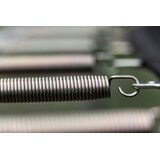

Keeping Your Trampoline Safe Through Every Aussie Season
A good trampoline spring cover does a lot more than make your trampoline look neat. It hides sharp metal springs, helps stop little feet from slipping into gaps, and gives an extra layer between kids and hard metal parts. When that cover breaks down, the whole trampoline can start to feel a lot less safe.
Australian weather is tough on anything that lives in the backyard, and spring covers are right in the firing line. Strong sun, heavy rain, salty coastal air and even gum nuts and leaves all play a part. In this guide, we will walk through what the weather actually does to a trampoline spring cover, how to spot early damage, how to clean and protect it, and when it is time to replace it so your family can keep bouncing safely all year round.
How Aussie Weather Treats Spring Covers
Across much of Australia, late spring and summer can be hot, bright and dry. Long hours of UV exposure slowly weaken materials like vinyl and PVC. At first, you might only notice some fading, but over time that can turn into:
- Surface cracking and peeling
- Padding that feels stiff instead of flexible
- Top layers flaking away, exposing foam underneath
Once the material becomes brittle, every step, jump or wind gust puts extra stress on the cover. Small cracks can quickly open up into bigger splits.
Autumn and winter bring a different set of issues. In many areas, this is when we see more rain, frost, hail and stronger winds. For your trampoline spring cover, that can mean:
- Water pooling on top after showers
- Mould and mildew forming in damp, shady spots
- Stitching around the edge softening or breaking
- Wind lifting one edge so it no longer sits flat
If you are near the coast, the weather adds a couple of extra challenges. Salt in the air can sit on the surface of the cover, slowly eating into the material if it is not washed off from time to time. Wind-blown sand can act like sandpaper, scuffing and roughing up the cover as kids climb on and off.
Spotting Damage Before It Becomes Unsafe
A quick monthly check can make a big difference. It only takes a few minutes and can be done at the same time you check the net and frame. Walk around the trampoline and look closely at:
- Seams and stitching around the edge
- Where the cover attaches to the frame or mat
- The surface over the springs
You are looking for early warning signs such as:
- Loose or fraying threads
- Small cracks or splits in the top layer
- Foam padding that is visible or starting to pop out
- Areas that feel hard, brittle or thin
- Sections that lift up or no longer sit flat over the springs
If kids are using the trampoline more during school holidays or long weekends, any damage will get worse faster. Leaving it too long can lead to:
- Feet or hands slipping into gaps
- Scratches from exposed metal springs
- Water soaking into the padding, which speeds up wear
If a section looks badly worn, it is better to act early rather than wait for a full tear.
Cleaning Your Trampoline Spring Cover Properly
Cleaning does not need to be complicated. In fact, keeping it simple is usually best. Harsh cleaners and high-pressure water can do more harm than good, so stick to gentle methods.
Here is an easy cleaning routine:
- Sweep or brush off loose debris like leaves, gum nuts and dirt.
- Mix a small amount of mild dish soap with a bucket of lukewarm water.
- Use a soft cloth or sponge to wipe the cover, working in sections.
- Rinse gently with a low-flow hose, not a pressure washer.
- Wipe away extra water with a clean towel.
For mould, mildew or bird droppings, use the same mild soapy water but spend a bit more time on the stained spots. Avoid bleach or strong chemicals, as they can weaken the fabric and affect the stitching.
Do not forget to check underneath the cover. Lift it slightly in a few spots and look for:
- Trapped leaves or dirt sitting on the foam
- Damp patches that have not dried
- Any musty smell that hints at mould
Once everything is clean, let the cover dry fully in the sun before kids start jumping again. A dry cover helps protect the padding and stitching for longer.
Protecting Spring Covers From Sun, Storms and Storage Mistakes
The best way to keep a trampoline spring cover in good condition is to reduce how much punishment it gets from the weather.
For daily sun protection, simple steps help:
- If possible, position the trampoline where it gets some shade in the harshest midday sun.
- Use a weather cover when the trampoline is not in use for longer periods.
- Avoid placing the trampoline right next to bright, reflective surfaces that bounce extra sun onto it.
During stormy periods, get into the habit of:
- Removing loose accessories that could hit or rub against the spring cover in strong winds.
- Checking that the trampoline is properly secured so it does not tip or slide.
- Inspecting the spring cover after heavy rain, hail or strong wind to spot new damage early.
In areas with colder winters or long wet spells, some families like to pack parts of the trampoline away for a while. If you choose to remove the spring cover for a season:
- Give it a thorough clean with mild soapy water.
- Let it dry in the sun until completely dry on both sides.
- Store it flat or gently rolled, not sharply folded.
- Keep it in a cool, dry place out of direct sun.
Sharp folds can turn into crease lines that crack faster once the cover is back in use.
Knowing When to Replace Your Trampoline Spring Cover
There comes a point where patching or taping an old trampoline spring cover is no longer the safest option. It is usually better to replace the whole cover when you see:
- Deep cracks that go right through the material
- Large areas of exposed foam or missing padding
- Stitching that has failed along more than one section
- A cover that no longer fits snugly or keeps the springs well covered
When choosing a replacement, look for:
- UV resistant materials suited to strong Australian sun
- Strong stitching around the edges and attachment points
- A shape that matches your trampoline, such as round or rectangular
- A size that fits your frame and spring layout snugly
At Jump Star Trampolines, we focus on trampolines, parts and accessories that are designed for local backyard conditions, so replacement spring covers are built with our weather in mind. Having a cover that fits properly and holds up to regular outdoor use helps keep older trampolines safer and looking fresh.
Locking in a Simple Year-Round Care Routine
A trampoline spring cover works hard every day it sits outside, but with a few simple habits it can last much longer. The key points are:
- Do a quick visual check each month and around busy jumping times.
- Clean gently with mild soapy water and soft cloths.
- Keep an eye on how sun, rain and wind are affecting the material.
- Store it properly if you remove it for a season.
- Replace it when damage goes beyond minor wear.
Many families find it handy to tie spring cover checks to dates that are easy to remember, such as the start of summer, the lead-up to school holidays and the weeks before winter really sets in. A couple of extra minutes now and then can help keep your trampoline safer and more inviting for the next round of backyard fun with Jump Star Trampolines.
Protect Your Trampoline And Keep Kids Safer Today
A quality trampoline spring cover helps shield little feet from exposed springs and keeps your trampoline looking good for longer. At Jump Star Trampolines, we’ll help you choose the right fit so you can feel confident every time the kids jump. If you have questions about sizing or installation, simply contact us and we’ll guide you through your options.