
Keeping Trampoline Springs Quiet and Safe in Busy Backyards
Author: Jump Star Trampolines Date Posted:10 May 2026
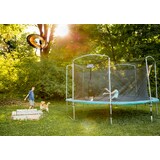

Quieter, Safer Bouncing for Busy Aussie Backyards
A noisy trampoline can turn backyard fun into a bit of a headache. Squeaky trampoline springs, metal creaks, and worries about safety can make parents tense and neighbours cranky, especially when kids are still bouncing after school. The good news is that a little care and smart checking can make a big difference.
As the weather cools in May and afternoons get shorter, kids still want to burn energy on the trampoline. That is often when any noise or safety issues become obvious. By looking after the springs and frame, we can keep the sound down, keep the bounce feeling great, and help protect our kids from harm. At Jump Star Trampolines, we focus on safe, durable trampolines and quality parts for Aussie backyards, so we care a lot about how those springs are holding up.
Why Trampoline Springs Get Noisy and Worn
Trampoline springs are the muscle of the whole setup. They connect the mat to the frame, stretch as kids land and then pull back to give that fun, bouncy lift. When springs are in good shape, the bounce feels smooth, and the load is shared across the whole frame.
Noise usually shows up when something in that system is not quite right. Common causes include:
- Rust from rain, dew and coastal air
- Dust, sand and garden grit grinding between the metal parts
- Worn or bent hooks at each end of the spring
- Springs that were not fitted evenly in the first place
- Cheaper metals that lose tension or corrode faster
As autumn brings cooler, wetter days, metal can stiffen and any small rust patches can grow. Busy families often use the trampoline all year round, so the springs are working hard in those conditions. Extra squeaks or clanks are not just annoying; they can be an early warning sign of fatigue or metal stress. If a spring sounds wrong, it might be getting close to failing, so it is worth paying attention.
Simple Maintenance Habits for Quiet Springs
A few simple habits can keep trampoline springs quieter and help them last longer. Think of it like a quick check you might do on the barbecue or outdoor furniture when the seasons change.
Here is a handy routine:
- At the start of each season, wipe springs with a dry or slightly damp cloth
- Once a month, look for orange spots, flaking or dull, rough patches
- Check that each spring is sitting straight and tight between mat and frame
- Gently tighten any loose connection points on the frame if your model allows
To reduce squeaks, a light spray of a silicone-based lubricant on the spring hooks and connection points can help. Silicone is usually better than thick grease, which can attract dust and create a sticky mess. Always follow the product directions and keep kids off the trampoline until everything is dry.
It also helps to keep the area around the trampoline clean. Dry leaves, bark chips, sand and small sticks can work their way into the springs and sit between the coils. A quick sweep or rake around the legs once a week can save you drama later.
Many families find it easier to make spring checks part of normal play. For example, a five-minute look over the springs on a Friday afternoon before the big weekend bounce, or a quick clean and check before kids’ birthday parties, can catch problems early.
Safety First When Inspecting Trampoline Springs
Safety comes before everything else when you are looking at trampoline springs. Always start with the mat empty, with no one bouncing or sitting on it. That way the springs are under less load, and you can see their natural shape.
During a visual check, look for:
- Springs that look longer than the others or do not sit evenly
- Gaps where a spring has slipped or is missing
- Brown rust patches, flaking metal or white corrosion
- Hooks that are bent, twisted or pulling away from the mat or frame
Springs should be replaced straight away if you see:
- Cracks in the metal
- Sharp edges or points you can feel with a light touch
- Coils that are stretched apart and not closing properly
- Any broken or snapped coils
Spring removal and installation should always be done by adults and with the right tools for your trampoline style. Kids should be well away from the frame while you are working, as springs can release sudden tension. When springs are all in good condition and properly tensioned, they work together with the safety pads and netting to reduce injury risk, especially when more than one child is bouncing at a time.
Choosing Quality Replacement Springs and Parts
Not all trampoline springs are the same. The quality of the steel, the protective finish on the metal and the correct length of the spring all affect how the trampoline feels and how long it lasts.
When you are choosing replacement springs, it helps to:
- Measure the spring from hook to hook with the spring removed and at rest
- Match that length to the original manufacturer’s guide
- Check the number of springs your trampoline is designed to use
- Look for corrosion protection suited to outdoor Australian conditions
Buying like-for-like or genuine replacement parts keeps the trampoline working the way it was designed. Springs that are too long or too short can change the bounce, create extra stress on the frame or leave the mat feeling uneven.
If your springs are worn, there is a good chance other parts are getting tired too. Pairing new springs with fresh spring pads, a new mat or updated netting can give an older trampoline a real safety refresh and make it feel more inviting for kids again.
Smart Upgrades to Keep Noise Down and Fun Up
A few clever upgrades can help keep trampoline springs quiet and better protected from the weather. Thick, weather-resistant spring pads cover the springs and frame, softening sound and giving a safer surface around the edge. A fitted weather cover can help keep rain, sap, leaves and bird mess off the mat and springs when the trampoline is not in use.
Backyard layout also plays a part in how much sound your neighbours hear. Some handy placement tips are:
- Keep the trampoline away from bedroom windows where possible
- Use solid fences, hedges or garden screens as sound buffers
- Avoid placing the frame hard up against walls that echo noise
- Place the trampoline on level ground so the frame does not rock or creak
In-ground trampolines can help reduce overall noise in some yards, as the frame sits lower and the springs can be more shielded from wind. They can still give a strong bounce for energetic kids while blending into the garden more neatly.
Upgrading to a high-quality model with strong, well-protected springs can mean quieter operation and longer-lasting performance in our changing Australian weather. At Jump Star Trampolines, we design and supply trampolines, parts and accessories with these busy backyard needs in mind, from round and rectangular models to in-ground options suited to local families.
Keep Your Trampoline Safe And Bouncy For Longer
If your mat is still in great nick but the bounce is fading, upgrading your trampoline springs is a simple way to extend the life of your setup. At Jump Star Trampolines, we stock quality parts designed to fit securely and perform reliably in Aussie backyards. If you are unsure which parts you need or how many to replace, contact us and we will help you get your trampoline feeling like new again.