
In-Ground Trampolines in Australia: Maintenance and Drainage Tips
Author: Jump Star Trampolines Date Posted:16 August 2026
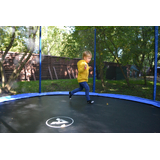

Keeping Your in-Ground Trampoline Safe Year-Round
An in-ground trampoline can be the hero of a family backyard. Kids can run straight on, there is no big frame blocking the view, and it often feels safer because it sits close to ground level. For many Australian families, it is a neat way to add fun without taking over the whole yard.
But once the trampoline is in-ground, the work is not over. Without good drainage, venting, and regular checks, the pit can fill with water, grow mould, attract pests and slowly damage the frame and springs. In this guide, we walk through simple, practical habits that keep in-ground trampolines in Australia performing well, looking good and ready for safe jumping all year round.
Mastering Drainage Design Under Your Trampoline
The pit under an in-ground trampoline is like a hidden mini backyard. If it holds water, you will quickly see problems. In many parts of Australia we get heavy downpours, clay soils that drain slowly and local rules about where stormwater can go. All that water needs a planned escape route.
Good drainage usually starts at installation. Key options include:
- A base layer of coarse gravel so water can move through the pit
- A perforated drain pipe leading away to a legal stormwater point
- A gentle slope in the pit floor so water runs to one side, not the centre
- A sump pit with a pump in yards that sit low or stay soggy
If the trampoline is already installed, it still pays to watch for signs that drainage is not working properly:
- Standing water in the pit, even days after rain
- A musty or damp smell when you lift the pads
- Mould or algae on the frame, springs or pit walls
- Soft or sinking patches in the turf around the trampoline
When you see more than one of these, that is the time to speak with a drainage or landscaping professional. Adjusting the base, adding a pipe or fitting a pump is not a DIY job for most homeowners and you want the set-up to meet local rules.
Venting for Bounce, Airflow and Moisture Control
Air has to move in and out of the pit every time someone jumps. Without enough venting, the mat can feel heavy and flat, like bouncing on a big cushion that will not give. With good airflow, the bounce feels lighter and more responsive.
There are a few common venting options for in-ground trampolines in Australia:
- Vents built into the side or top of the retaining wall
- Mesh panels around the inner wall that let air pass freely
- Special vented trampoline pads or skirts that let air move through the edges
A mix of these usually works best. The goal is simple: air goes out when the jumper lands, then air flows back in as they rise. When this happens easily, the trampoline feels better and puts less strain on the mat and springs.
Good venting also helps with moisture control. Dry, moving air:
- Slows mould and mildew growth under the mat
- Helps springs and frames dry faster after rain
- Makes the pit less attractive to pests that like dark, damp spots
If the pit often smells stale, or if you see condensation on metal parts, your venting may need an upgrade.
Smart Debris Management to Protect the Pit
Australian backyards are full of things that love to fall into a trampoline pit. Gum leaves, native blossoms, grass clippings, dust, small toys, even pet hair all seem to end up under the mat. Over time that mix can hold moisture and rot, which is bad news for steel, pads and drainage.
A simple cleaning routine goes a long way:
- Give the mat a quick sweep once a week to move leaves and dust away
- Once a month, lift the pads and do a fast visual check of the frame, springs and edges
- Every few months, clear the pit with a leaf blower or wet/dry vacuum so the base and drains stay clear
Prevention helps just as much as cleaning:
- Use a fitted cover when the trampoline is not in heavy use
- Trim back overhanging branches so big leaf drops do not fall straight into the pit
- Use edging or borders around nearby garden beds to stop mulch and soil washing in
These small habits protect the hidden parts you do not see every day but rely on every time someone jumps.
Corrosion Prevention for Long-Lasting Frames and Springs
Australian conditions can be tough on metal. Coastal air, humidity, morning dew and splashes from nearby pools can all speed up rust, especially on frames, springs and bolts that live close to the ground.
Regular care makes a big difference:
- Do a quick visual check of the frame and springs every month, looking for surface rust, flaking or rough spots
- After heavy rain or pool play, wipe down exposed metal parts so they are not sitting wet for days
- Use a suitable anti-corrosion spray on springs and hardware from time to time, following the product instructions
It also pays to use quality parts when something does wear out. Springs that have lost snap, pads that are splitting or hardware that is badly rusted should be replaced before they fail. Choosing well-made parts from a trusted trampoline brand helps protect your investment and keeps the trampoline feeling safe and solid.
Seasonal Checklists for Aussie Weather Extremes
Our weather swings from cold, damp winters to hot, bright summers with sudden storms. A few focused seasonal checks keep in-ground trampolines in Australia ready for whatever the sky throws at them.
Late winter and early spring are perfect for a deeper look:
- Inspect mats and pads for tears, thinning or loose stitching
- Test drainage by hosing around the edges and watching where water goes
- Clear out any winter debris, including wet leaves stuck on walls or pipes
In hot weather, the focus shifts slightly:
- Check for UV wear on the mat and pads, such as fading, stiffness or cracking
- Make sure venting is clear so hot air can escape from the pit
- Keep an eye on drainage after sudden summer storms, especially in clay or compacted soils
Through autumn and winter, think about protection and movement:
- Fit and secure covers before strong winds so debris does not whip underneath
- Watch the pit during long periods of rain to be sure water is not pooling
- Look for any movement in retaining walls, such as cracks or gaps, that could affect stability
A regular pattern like this spreads the workload out and stops small issues turning into big repairs.
Simple Steps for Safer Backyard Jumping
Looking after an in-ground trampoline is really about steady, light-touch care. When drainage works, venting is open, debris is under control and metal parts stay protected, the trampoline stays safer, bouncier and more enjoyable for the whole family.
As a quick guide, many families find it handy to follow a simple rhythm:
- Each month: sweep the mat, lift the pads for a fast check and wipe down metal if it has been wet
- Each season: test drainage, clear the pit properly, inspect pads and mat for wear and look over frames, springs and walls
At Jump Star Trampolines we see how much longer in-ground trampolines last when owners stay on top of these small tasks. With the right habits, plus quality parts and accessories when you need them, your backyard trampoline can stay a favourite play spot for many seasons to come.
Get Started With Your Project Today
If you are ready to create a safer, cleaner and more attractive backyard play space, we are here to help you plan every step. At Jump Star Trampolines, we supply high quality in-ground trampolines in Australia that are designed for local conditions and family use. Talk with our team about sizing, installation tips and accessories so your setup suits your yard and your kids. If you have questions or want tailored advice, simply contact us and we will get back to you promptly.