
Understanding In-Ground Trampolines for Windy Aussie Backyards
Author: Jump Star Trampolines Date Posted:16 August 2026
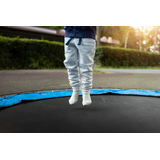

Breeze-Proof Fun for Aussie Backyards
Wind can be a real headache for backyard fun. In many Aussie suburbs, especially through late winter and early spring, those strong gusts can pick up quickly and hang around all afternoon. That is when above-ground trampolines sometimes shift, tip, or in bad cases move across the yard.
An in-ground trampoline can make a big difference in windy areas. By sitting low in the yard instead of up on legs, it is naturally more stable and less likely to catch the wind. For families who want year-round bouncing without stressing every time a storm front rolls through, it is worth understanding how this style works.
At Jump Star Trampolines, we spend a lot of time thinking about real Australian backyards, coastal breezes, and changing weather. We want to share some plain, practical info so you can decide if going in-ground is right for your home.
How In-Ground Trampolines Actually Work
An in-ground trampoline is still a trampoline, just set into the ground instead of standing on tall legs. The frame and mat sit in a purpose-dug pit so that the jumping surface is close to lawn level. From a distance, it looks cleaner and more built-in than a standard model.
Here is the basic idea:
- A hole is dug to match the shape and size of the trampoline
- A strong frame is placed over the pit
- Springs connect the frame to the mat
- A retaining wall or frame kit supports the pit sides
- Drainage is planned so water does not sit under the trampoline
Because the trampoline sits low, its centre of gravity is lower too. There is less empty space under it for wind to rush through and less height for gusts to push against. That simple change, dropping the frame into the ground, is what makes it behave differently when the weather picks up.
Why Windy Backyards Benefit From Going In-Ground
In open, windy yards, an above-ground trampoline can act a bit like a sail. Strong gusts get under the mat and around the safety net. If the trampoline is light or not anchored well, it can wobble, slide, or in extreme weather, even lift.
With an in-ground trampoline, the low profile helps:
- Less wind gets under the mat, so there is less lift
- The frame is tied to the ground shape, not sitting up high on legs
- The risk of tipping or rolling across the yard is reduced
For kids, there are extra safety wins. The fall height to the ground is smaller, which helps calm the nerves of many parents. Climbing on and off feels easier, especially for younger children or anyone who is less steady on their feet. In windy coastal suburbs or on hilltops where gusts can be sudden, those small details can make playtime feel more relaxed.
Comparing In-Ground and Above-Ground Trampolines
When we compare in-ground and above-ground trampolines, wind performance is one of the clear differences. During late winter storms or those gusty spring days, above-ground models are more at the mercy of the breeze. Even with anchors, they still sit higher, which gives the wind more area to push.
In-ground trampolines tend to:
- Sit closer to ground level, so they catch less wind
- Stay more stable during strong gusts
- Blend into the yard instead of sitting as a big structure
There are trade-offs to think about. An in-ground setup takes planning, digging, and a proper pit design. It is not something to rush or cut corners on. On the other hand, once installed well, many families like the long-term peace of mind: fewer worries about wind damage, a neat look that works with lawns and gardens, and fewer headaches around stormy weather and possible damage inside the yard.
Choosing the Right In-Ground Trampoline for Your Yard
Before settling on an in-ground trampoline, it helps to look properly at your backyard. Think about:
- Available space, including clear area around the edges
- How open or sheltered your yard is to wind
- Where kids naturally play and how you move through the space
Shape matters too. Round trampolines are popular for general family bouncing and fit well in many suburban yards. Rectangle trampolines can suit narrower spaces or more serious jumpers who like long, straight lines for tricks. The right shape often comes down to how you plan to use it and where it will sit.
Quality is especially important in Australian conditions, with strong sun, wet spells, and salty air in coastal areas. Good signs to look for include:
- Galvanised steel frames that help resist rust
- UV-stable mats and pads that handle harsh sun
- Solid safety nets and fixings
- Rust-resistant springs and hardware
Those details help your in-ground trampoline stay safer to use and easier to care for across many seasons.
Planning a Safe and Secure In-Ground Installation
Location is the first big choice. A good site is:
- Away from fences, sheds, and hard surfaces
- Clear of low tree branches
- Checked for underground services like pipes and cables
- Positioned with common wind direction in mind
Pit design is the next step. The depth must match the trampoline model so there is safe clearance under the mat. The sides of the pit need support, which often means a retaining wall or a dedicated in-ground kit that holds the soil back and supports the frame.
Drainage and airflow under the trampoline are very important, especially in wetter southern states. If water is allowed to sit under the mat, it can lead to rust, soft ground, and a musty smell. Good setups usually include:
- A way for water to drain away from the pit
- Ventilation so air can move under the trampoline
- Materials that do not break down easily in damp soil
Careful planning here pays off, making the trampoline nicer to use and easier to look after over time.
Keeping Your In-Ground Trampoline Storm Ready
Windy seasons are a good reminder to give any trampoline a check-up. For in-ground models, this can be simple but important. We suggest checking:
- Frame bolts for tightness
- Springs for wear or stretching
- Pads and mats for tears or thinning
- Nets and zips for damage
On days when strong winds are forecast, it helps to clear loose items from around the trampoline so nothing hits the frame or net. Covers should be used as recommended for your particular setup and checked after rough weather to make sure they are still secure and not trapping water.
Australian conditions can be tough on backyard gear, especially under strong sun and in salty coastal air. To keep your in-ground trampoline in good shape:
- Rinse off salt and dust from time to time
- Look for early signs of rust and deal with them quickly
- Replace worn parts like pads, nets, and springs with quality spares from local suppliers
At Jump Star Trampolines, we focus on trampolines, parts, and accessories suited to local weather and backyard life, from windy suburbs to more sheltered yards. Choosing an in-ground trampoline with the right design and materials can help your family bounce safely through windy seasons with less worry and a cleaner, more settled look in your outdoor space.
Transform Your Backyard With A Safer, Sleeker Play Space
Bring your vision to life with a custom in-ground trampoline designed and installed by the team at Jump Star Trampolines. We will guide you through sizing, safety features and installation so your family can enjoy years of low-profile, high-fun bouncing. If you are ready to explore options or get a quote, simply contact us and we will help you plan the next steps.