
Questions About In-Ground Trampolines for Small Aussie Yards
Author: Jump Star Trampolines Date Posted:12 April 2026
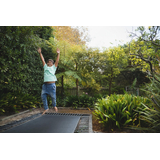

Safer Backyard Fun When Space Is Tight
Want the kids to burn energy on a trampoline but your Aussie backyard is on the small side? You are not alone. Many suburban blocks, narrow side yards and split-level sites make it hard to fit a big round trampoline without losing the whole lawn.
In-ground trampolines promise a low, clean look. They sit at or near ground level, so you do not get that tall metal frame and high safety net taking over the whole view. It sounds perfect for small yards, but there are a few things to think through before you start digging.
So, is an in-ground trampoline in Australia really the best choice when space is tight, or are there hidden headaches under the surface? Let us walk through the pros, the cons, and some smart alternatives.
What Exactly Is an Inground Trampoline?
An in-ground trampoline is a trampoline set into a pit so the jumping surface is level with the ground. The frame sits inside that hole, rather than up on legs above the grass.
You will also hear:
- Sunken trampoline, where the bed is close to ground level
- Partially sunken, where the frame still sits a little higher than the lawn
- Standard above-ground, which sits fully on top of the ground
The basic install usually includes:
- Excavating a pit to the right depth and width
- Creating a stable wall or structure so soil does not fall back in
- Adding drainage so water does not pool under the trampoline
- Setting the frame so the mat is level with or slightly above the finished surface
For small Aussie yards, the appeal is clear. An in-ground trampoline:
- Looks neater and more permanent
- Does not block views or light as much as a tall frame
- Can be easier to mow or maintain around
- Blends into paving or artificial turf for a tidy play zone
It feels more like a built-in backyard feature and less like a big bit of play equipment plonked in the middle of the lawn.
Space, Safety and Soil Realities in Aussie Yards
Even at ground level, a trampoline still needs space around it. In most small backyards, the real squeeze is not just the size of the mat, it is the clear zone around it.
You will want:
- Clear space on all sides, away from fences, sheds and walls
- No low branches or hard edges kids could clip when bouncing
- Extra care near pools, paths and garden beds
Ground-level does help reduce the feeling of height, but it does not remove all risk. Kids can still:
- Land awkwardly on the edge
- Fall or trip as they step off at speed
- Bump into each other if the trampoline is crowded
That is why good pads over the springs, a quality frame and, in many cases, a safety net still matter, even with an in-ground design.
Then there is the soil. Australian yards often have:
- Heavy clay that holds water after rain
- Reactive soil that swells and shrinks with moisture
- Sloping blocks where water wants to run straight into the pit
Without proper drainage, an in-ground pit can fill with water, smell bad, soften the soil under the frame or even rust parts over time. On a slope, you may also need extra structure to stop soil washing in, which takes space and planning.
Cost, Council Rules and Hidden Installation Challenges
From the outside, an in-ground trampoline looks simple. Under the grass, it is much more involved than dropping an above-ground frame into place.
Typical parts of the job include:
- Excavation and moving soil away from site
- Building retaining walls or pit supports
- Installing drainage pipes, gravel beds or pits
- Finishing the edge with pavers, turf rings or other surfaces
On tight suburban blocks, a few extra problems pop up:
- Limited access for machines, which can mean more labour
- Nowhere to pile or spread the excavated soil
- Existing pipes or services running under the lawn
It is important to plan around:
- Sewer, stormwater, gas and irrigation lines
- Where water will go when it leaves the pit
- How the trampoline looks from neighbours’ windows or higher blocks
In some areas, permanent works and changes to drainage can mean you need to speak with council or body corporate. Every area is different, so checking first can save headaches later.
Making an Inground Trampoline Work in a Small Space
If you are set on an in-ground trampoline in Australia, good design is what makes it work in a compact yard.
Think about:
- Shape: rectangles often tuck into long, narrow yards better than big rounds
- Size: going one size down can free up room for seating, pets or a small lawn
- Position: close enough for easy supervision from inside the house
To handle Aussie weather, drainage is key. Common approaches include:
- A gravel base under the pit for water to soak through
- A drain line that runs to an approved outlet
- In some tricky sites, a pump system that moves water out after heavy rain
Around the trampoline, you can pick finishes that suit small spaces:
- Synthetic turf for a soft, low-care play edge
- Pavers or concrete for a clean, sweepable surface
- Simple, low edging so there are no hard trip points
For safety nets, slim, darker nets blend better into the fence line so they do not dominate the yard, while still giving a barrier for active jumpers.
When a Low-Profile Above-Ground Trampoline Wins
For many small yards, a compact above-ground trampoline ends up being the more flexible choice. There is no digging, no pit and you can shift or remove it later if your yard needs change.
Compared with an in-ground install, above-ground options usually offer:
- Less disruption to your garden
- Shorter installation time
- The ability to upgrade, move or sell the trampoline down the track
You can make an above-ground trampoline feel less bulky by:
- Choosing a slimmer frame and lower height where possible
- Going for darker pads and nets that blend with fences
- Tucking it into a back corner instead of the centre of the yard
- Building decking or simple screening around one or two sides
At Jump Star Trampolines, we design round, rectangular and in-ground-ready frames for Australian backyard conditions. Picking the right size for your yard can keep good run-around space for kids and pets, even when the block is modest.
Ready to Plan Your Small-Yard Trampoline Upgrade
Before you settle on any trampoline style, grab a tape measure. Mark out the area, including the clear zone, and walk around it. Notice slopes, damp patches and where the sun hits. Think about how you want to use the rest of the space for pets, a clothesline, vegie beds or a small sitting area.
Then weigh up the neat, built-in feel of an in-ground trampoline in Australia against the extra planning, drainage and site work it often needs. Compare that with a low-profile above-ground option that might fit your yard, your time and your budget better. When you are ready to explore models, sizes and accessories made for Aussie backyards, the team at Jump Star Trampolines is here to help you find a trampoline that suits your space and how your family plays.
Get Started With Your Project Today
If you are ready to create a safer, cleaner and more stylish backyard play area, we can help you choose the right inground trampoline in Australia for your space and budget. At Jump Star Trampolines, we work with you to get the sizing, layout and safety features right from the start. Reach out to our team with any questions or to request a quote through our contact us page.