In-Ground Trampolines Australia: Costs, Council Rules, DIY vs. Pro Install
Author: Jump Star Trampolines Date Posted:28 September 2026
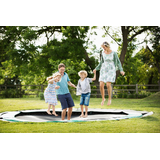

Turn Your Backyard Into a Springtime Play Zone
An in-ground trampoline can turn an ordinary Aussie backyard into the place where everyone wants to hang out. In early spring (around late September), it is one of the best times to start planning. The weather is warming up, the soil is still easier to work with after winter rain, and you can have everything ready before school holidays and the real summer heat arrive.
An in-ground trampoline sits in a hole so the jumping surface is level with the grass. Compared to a traditional above-ground trampoline, it is lower to the ground, less bulky to look at, and easier to fit into tight spaces. In this guide, we will walk through the real costs to think about, council and body corporate rules, and how to pick between DIY and professional installation for in-ground trampolines in Australia.
Counting the Real Costs of In-Ground Trampolines in Australia
When people think about cost, they often picture just the trampoline itself. In reality, there are a few parts to consider, especially with our strong sun, coastal air and wild storms.
Key parts of the trampoline system include:
- Frame and springs
- Jumping mat
- Safety padding
- Retaining wall or support system
- Ventilation options
- Optional safety net and access points
Quality matters in Australian conditions. UV from the sun can be tough on mats and pads, salty coastal air can affect steel parts, and strong winds and heavy rain test the whole setup. Choosing materials made to handle local weather can help your trampoline last longer and feel better to use.
Site preparation is the next major cost area. An in-ground setup usually involves excavation and removal of soil, plus planning for water management so drainage doesn’t become an issue later. Depending on your yard and the design, you may also need concrete or other retaining structures, followed by touch-up landscaping so the edge blends neatly back into the lawn.
Costs vary between metro and regional areas. City blocks might mean tight access that needs smaller machines, while regional homes might have longer travel times or different soil types. Clay, rock and tree roots can all change how the work is done.
There can also be hidden and ongoing costs. In certain zones, you might face council application or review fees, and tricky or sloping sites may need engineering advice. Over time, you may also want occasional maintenance such as checking pads, mats and drainage. On the other hand, there can be future savings if you avoid replacing cheaper above-ground trampolines so often. Thinking about the whole picture upfront makes it easier to set a realistic budget and avoid surprises once the digging starts.
Balancing Safety, Aesthetics and Space in Your Decision
Many families are drawn to in-ground trampolines for safety reasons. With the jumping surface closer to ground level, the fall height is generally reduced compared to a tall above-ground frame. It can also be easier to supervise kids at ground level, especially if the trampoline is close to the main outdoor living area.
A few safety points to think about include whether you want a safety net or prefer a clear, open edge, how children will get on and off the trampoline, and how the design lines up with Australian Standards for trampolines. It’s also worth setting clear rules for use, such as one jumper at a time for younger kids.
In-ground trampolines also change the look and feel of your yard. Because they sit lower, they create less visual clutter and help small backyards feel more open. They often work well near:
- Pools, so kids have multiple play zones
- Decks or patios, so adults can relax while keeping an eye on things
- Side lawns that might otherwise go unused
Lifestyle plays a big part too. Families with younger kids might value easy supervision and softer entry points. Older kids or teens might use the trampoline for sports training or fitness. If you entertain a lot through spring and summer, an in-ground design can blend into the yard when no one is jumping, then become the main attraction when guests arrive.
Council Rules, Strata and HOA-Style Limits
In many Australian areas, simple in-ground trampolines on standard house blocks are treated like other backyard play equipment. Still, there are times when local rules come into play. Council approval might be needed if:
- You are building significant retaining walls
- You are doing large-scale excavation close to boundaries
- Your property sits in a heritage, bushfire or flood zone
Councils may ask for site plans, details on drainage, or information about retaining structures. It is a good idea to check early, especially if your block is unusual or you are planning other work at the same time.
For strata, body corporate or HOA-style setups, the focus is often on noise (especially in smaller complexes), visual impact from shared areas or neighbours’ windows, water runoff and drainage onto neighbouring properties, and structural impact near shared walls or fences.
Getting ahead of any concerns can help avoid stress later. Many owners:
- Ask for written rules or guidelines from the body corporate
- Share simple plans or sketches of where the trampoline will sit
- Confirm who is responsible for drainage and future maintenance
Choosing a low-profile, neat design that sits flush with the lawn usually helps keep everyone happy and makes approval conversations smoother.
DIY Versus Professional Install: Which Path Suits You
Some people like the idea of DIY, but in-ground trampolines are more complex than setting up an above-ground model. DIY is usually only realistic when:
- The block is fairly flat with no major slope
- Soil is easy to dig, such as sandy or loamy ground
- Access for small machines is simple
- You are confident following detailed instructions to protect any manufacturer warranty
Even then, drainage and retaining systems need careful thought. Poor drainage can leave water sitting under the trampoline, which is not great for long-term performance.
For many homes, professional installation is the safer and simpler path. Calling in the pros is especially smart if:
- The yard is sloped or terraced
- The soil is heavy clay, very rocky or waterlogged
- Access is tight and needs mini-excavators or hand digging
- The design uses an engineered retaining system for stability
When comparing DIY to using an installer, think about:
- Time, including planning, digging, and clean-up
- Safety risks from incorrect depths, poor drainage or unstable edges
- Possible rework if something is not quite right
- Warranties on workmanship when you use trained installers
Some Australian installers are familiar with specific trampoline brands and designs, which can make the whole project smoother from start to finish.
Planning an In-Ground Trampoline for Your Backyard
A bit of planning before you order anything makes the whole process easier. A simple checklist might include:
- Measure the area, including clear space around the trampoline
- Check for underground services like pipes and cables
- Review basic council and strata rules for your property
- Think about sun, shade and wind in your yard through the day
Because we live and work in Australian conditions, we know how different climates affect backyard play equipment. Coastal air, dry inland heat and tropical storms all play a part in choosing the right frame, mat and padding.
Seasonal timing also matters. Early spring is often the sweet spot to:
- Gather quotes or advice
- Lock in installers before the pre-summer rush
- Allow enough time for approvals if your council or body corporate needs them
- Have the trampoline ready for school holidays and end-of-year gatherings
You can explore different sizes, shapes and safety options designed with Australian backyards in mind, then decide whether professional installation or a guided DIY path is right for your family.
Get Started With Your Project Today
If you are ready to create a safer, neater backyard play space, our team at Jump Star Trampolines is here to help you choose the right inground trampolines in Australia for your family. We can walk you through measurements, installation options and safety features so you can plan with confidence. Reach out to our friendly crew anytime through our contact page and we will help you get your project off the ground.