
In-Ground Trampoline Installation FAQs: Prep, Drainage, Council, Safety
Author: Jump Star Trampolines Date Posted:12 April 2026

Transform Your Backyard with a Flush-Fit Trampoline
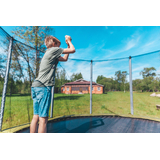
An in-ground trampoline gives kids that same bouncy fun, but with a cleaner look that sits low in the yard. It blends into the lawn, is easier for little legs to climb on, and avoids the tall frame and ladder of a traditional trampoline. Many families like that it looks more like part of the landscaping than a big piece of equipment.
At the same time, plenty of homeowners pause before digging a big hole in the backyard. Common questions come up about how deep to dig, what happens in heavy rain, whether council needs to know, and how far it should sit from fences, trees, or pools. Those questions are sensible, and sorting them out early makes the whole project smoother.
In this FAQ-style guide, we are focusing on Australian backyards, from sandy coastal blocks to heavy clay suburbs. We will walk through picking the right spot, preparing the site, thinking about drainage, checking council rules and planning safe clearances around your in-ground trampoline.
Choosing the Right Spot for an in-ground Trampoline
Good placement is half the job. Where you put the trampoline affects comfort, safety and how much your family actually uses it.
For sun, shade and wind, think about:
- Avoiding harsh midday sun if possible
- Taking advantage of natural shade from trees or buildings, while staying clear of roots and branches
- Avoiding narrow side paths where wind can funnel between houses
- Positioning the trampoline where adults can see it easily from the house or outdoor seating
Ground conditions matter too. Try to pick an area that is fairly level so less soil has to be shifted. Before any digging, arrange for underground service checks so you do not hit:
- Water or gas lines
- Power cables
- Irrigation or greywater pipes
- Septic tanks or drainage fields
Access is another big one. Even if you use a smaller in-ground model, you still need room to get soil out and possibly bring machinery in. Think about gate width, paths, and where soil can be moved or stored while work is happening.
You will also need space around the trampoline. Leave enough open area to:
- Walk around for mowing and garden care
- Safely enter and exit, especially if younger kids are using it
- Add a safety net if you choose one later
- Keep clear of sheds, patios, retaining walls and overhanging branches
Avoid putting the edge right beside hard surfaces like concrete or pavers. A soft lawn or mulched garden area nearby is a safer option.
Site Preparation and Digging for Aussie Soil Types
Once you are happy with the spot, it is time to plan the hole. Each in-ground trampoline model has its own measurements. The pit is usually deeper in the centre and shallower at the outer edge so the frame can sit at ground level while the mat has space to move.
Take your time to:
- Mark the shape on the lawn using the manufacturer dimensions
- Double-check the radius for round models and corners for rectangular models
- Confirm the deepest centre point and the stepped or sloped sides
Accurate sizing keeps the bounce feeling right and stops the frame from sitting too high or low.
Australian backyards see a mix of sandy soil, clay and rocky ground. Each behaves differently during excavation:
- Sandy soil is easier to dig but can slump, so retaining support may be needed around the edge
- Clay can be heavy and sticky, and it may hold water, so drainage planning is important
- Rocky ground or lots of tree roots usually calls for professional machinery and know-how
Because safety and stability matter, it is usually better to have an experienced installer or landscaper handle the digging and support structure, rather than treating it as a light DIY weekend project.
You will also end up with a fair amount of soil. Some homeowners use it to:
- Build up low garden beds
- Soften level changes elsewhere in the yard
- Create small mounds or play areas
In many cases, a retaining ring or some form of edge support is recommended. This helps keep the pit sides from caving in over time and keeps a neat, clean finish between lawn and trampoline frame.
Drainage Essentials to Handle Aussie Downpours
A dry pit is one of the most important parts of a long-lasting in-ground trampoline. Without good drainage, water can pool underneath after summer storms or long wet periods. This can lead to soggy mats, early rust on metal parts and mould growth around the area.
Different backyards need different drainage solutions. Common options include:
- A base layer of coarse gravel under the pit floor
- A French drain system that carries water away from the trampoline zone
- A soak well where soil conditions suit that option
- Connection to an existing stormwater system, where this complies with local rules
Any connection to stormwater or plumbing should be handled by a qualified plumber. The right setup will depend on soil type, slope of the block and existing drainage patterns.
Before the trampoline frame goes in, it helps to test drainage with a hose. Run water into the pit and watch how quickly it clears. After the first proper rain, check the area again. Now and then, clear out leaves, dirt and grass clippings from the base and from any drainage outlets so they do not clog.
Council Rules, Boundaries and Safety Clearances
Different councils across Australia can treat in-ground trampolines differently. Some may see them as simple landscaping, others as structures that affect surface levels or drainage. It can be worth asking your local council about:
- Any rules on excavation depth
- Changes to natural ground levels close to boundaries
- Heritage or environmental overlays in older suburbs
- Setback requirements near existing buildings or pools
Even where there are no strict rules, it helps to think about how the trampoline affects neighbours. A few handy tips are:
- Keep a sensible distance from boundary fences
- Avoid placing the mat right beside bedroom windows or quiet spots where noise could carry
- Be mindful of privacy, as jumpers will be raised higher than normal standing height
Safety clearance around the trampoline is another key point. Leave a fall zone with no hard obstacles and check that no sharp edges, poles or garden features sit close to the jumping area. Where possible, refer to relevant Australian Standards for trampolines and play equipment as a guide for spacing, net use and overall layout.
Safety Features, Accessories and Ongoing Care
An in-ground trampoline already feels lower and more grounded, but safety gear still matters. Many families choose:
- Safety nets to help stop falls off the edge
- Frame pads to cover springs and hard metal points
- Safety skirts that sit around the outer edge to block access under the trampoline and prevent trips into the pit
These features are especially helpful with younger kids, pets and busy backyards where people are often moving past.
Once installed, the trampoline will need simple, regular checks. At least a couple of times a year, look over:
- The frame and fixings for signs of rust or loosened bolts
- The mat for wear, stretching or damage
- The pads, net and skirt for tears or UV wear
- The pit and drainage for leaf build-up, silt or standing water
Australian sun, rain and coastal air can all be tough on outdoor gear, so catching small issues early keeps the trampoline safe and enjoyable for longer.
Over time, some parts will naturally need refreshing. Choosing an in-ground trampoline with easy access to replacement mats, springs and pads helps keep the bounce and safety standards high without replacing the whole unit. Families can also add new accessories as kids grow, like upgraded nets or different pad colours to match the yard.
By planning the location, pit, drainage and safety clearances carefully, then keeping up with light maintenance, an in-ground trampoline can become a long-term feature of an Australian backyard that looks good and gets used often.
Transform Your Backyard With a Safer Play Space Today
Ready to give your family a fun, low-profile play area that blends seamlessly into your yard? At Jump Star Trampolines, we’ll help you choose the right in-ground trampoline and guide you through installation options to suit your space. If you have questions about sizing, safety or timelines, simply contact us and we’ll walk you through the next steps.