
In-Ground Rectangle Trampolines: Installation Planning for Family Yards
Author: Jump Star Trampolines Date Posted:10 June 2026
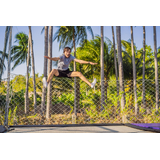

Make Your Busy Backyard a Jump-Ready Zone
An in-ground rectangular trampoline can turn a hectic family yard into a reliable play zone that kids can use almost every day. The jump area sits close to ground level, which helps reduce fall heights and makes it feel easier for younger kids to climb on and off. It also sits neatly into the lawn, so you do not end up with a big frame blocking the view across your backyard.
For many Australian families, afternoons are already packed with school runs, sport and homework. A well-planned in-ground setup can give the kids a safe, predictable place to burn off energy while adults keep an eye on things from the kitchen or patio. We will walk through smart planning for site choice, the dig, drainage, access paths, sightlines and a simple maintenance schedule so the trampoline fits smoothly into a busy routine.
Choosing the Ideal Spot for an In-Ground Rectangular Trampoline
Location is the first big decision. A rectangular trampoline works well along a fence line or beside an existing play or grass area, but it still needs space around it.
Think about:
- Distance from fences, sheds and glass doors
- Nearby garden beds and trees
- Where the sun sits in the afternoon and early evening
Try to keep clear space around the jump area so kids are not bouncing close to brick walls, concrete, or garden edging. Leave a soft zone of lawn or other impact-friendly surface around all sides. Look up as well as around, and avoid eaves, tree branches and pergola beams over the trampoline.
Sun angle matters too. In many parts of Australia, afternoon glare can be strong. Aim to position the trampoline so kids are not staring straight into low winter sun during after-school play. A slight twist of the rectangle can make a big difference.
Supervision is just as important. Try to place the trampoline where it is easy to see from:
- The kitchen window
- Main living spaces
- Alfresco or outdoor seating
Avoid tucking it behind sheds, tall shrubs or pool fencing that creates blind spots. When kids know an adult can glance up and see them, they tend to play more safely.
Planning the Dig, Site Prep and Soil Management
Once you have picked a spot, it is time to plan the dig. An in-ground rectangular trampoline needs a pit that matches the size and shape of the frame, with enough depth for good airflow and drainage below the mat. It is important to check for underground services before any soil is moved.
Because family schedules are tight, it can help to stage the work:
- Mark out the area and confirm services on a weekday
- Book machinery and installers for a set block of time
- Keep the most disruptive digging to one or two days
Soil type changes how the dig will run and how the trampoline performs long term. Heavy clay can hold water and may need extra drainage planning. Sandy soil can shift and may need stronger retaining support. Loam is often easier to work with but still needs proper treatment.
In many yards, bringing in a professional installer is the safest choice, especially where:
- Access for machinery is tricky
- The soil is very hard, rocky or waterlogged
- You are unsure about retaining walls or support systems
You will also need a plan for spoil, the soil that comes out of the hole. Decide in advance where it will go and how you will protect the rest of the yard. Use boards or ground protection mats where machinery will travel, so paths, irrigation and existing lawn are not chewed up as loads move in and out.
Smart Drainage Solutions for Winter and Beyond
Drainage is one area you do not want to skip. The pit under an in-ground rectangular trampoline can collect water, especially in wetter months and in heavy clay soils. Good drainage keeps the mat dry, the frame protected and the area usable soon after rain.
Common drainage options include:
- Gravel base with a slight fall for water to run away
- French drains around or under the pit to carry water off-site
- Soak wells to hold water where there is limited run-off space
- Sump and pump systems in yards with high water tables or very flat blocks
Which option makes sense depends on the slope of the block and the soil. A gentle fall away from the centre of the pit, into a gravel zone, helps avoid pooling. Many installers add geofabric between the soil and gravel to help keep fine material from clogging the drainage layer.
To prevent muddy edges and standing water, it helps to:
- Keep leaves and mulch out of the pit area
- Check the pit briefly after heavy rain to see how fast it drains
- Clear away any silt build-up at the base when you spot it
A simple seasonal check before the wetter months is usually enough to catch small drainage issues early.
Access Paths, Safety Zones and Clear Sightlines
Next, think about how kids will move from the house to the trampoline. You want a clean, non-slip route that works for school shoes and bare feet, even when the grass is damp.
Good options for access paths include:
- Pavers with grass joints
- Rubber tiles or softfall surfaces
- Compacted fine gravel with edging to keep it tidy
Try to avoid long muddy stretches or narrow paths that kids will shortcut across garden beds. A clear, direct line of travel helps keep mess out of the house and makes it easier to supervise movement in and out of the jump zone.
Around the trampoline itself, set up a defined safety area. That usually means:
- No hard garden borders or raised sleepers right next to the frame
- No bikes, scooters or sports gear stored near the edges
- A clear rule that only one or two kids jump at a time, depending on mat size
Sightlines link back to your original placement choice. Align the trampoline so when you look out from your usual spots, you see the whole mat, not just one corner hidden by a shrub or post. Use low plantings instead of tall hedges nearby so the area feels open and supervised, without losing that soft, green look.
Easy-Care Maintenance Schedule for Time-Poor Families
A simple maintenance routine keeps your in-ground rectangular trampoline safe and ready to go. The key is to break it into quick jobs that fit naturally around your week and your seasons.
A handy rhythm might be:
- Weekly: quick glance over the mat and springs before the kids jump
- Seasonal: a closer look around the start and end of wetter periods
- Annual: a deeper check, often tied to a school holiday clean-up
On your weekly check, look for:
- Any obvious tears, fraying or loose stitching on the mat
- Springs that look stretched, missing or out of place
- Objects under the mat that kids may have kicked underneath
Seasonal checks can go a bit deeper. Inspect the frame for early signs of rust or movement, look at the retaining structure for any soil slumping or gaps, and check that drainage is still working. Sweep or blow leaves away from the pit and safety zone.
Once a year, plan a more thorough inspection. This can include lifting the pads, checking all fixings, and having a professional look at any spots you are unsure about. When parts like mats, pads or springs start to show wear, replacing them promptly keeps the trampoline feeling stable and safe. At Jump Star Trampolines, we supply replacement parts and accessories to help keep in-ground setups in good shape for longer, so families get more reliable use from their backyard play space.
Bring Safer Backyard Fun To Life For Your Family
If you are ready to create a clean, unobtrusive play space, our in-ground rectangular trampoline is a smart place to start. At Jump Star Trampolines, we help you choose the right size and setup so it suits your yard and how your kids play. If you would like tailored advice or have questions about installation, simply contact us and we will guide you through the next steps.