
Do Rectangle Trampolines Need More Frequent Spring Rechecks?
Author: Jump Star Trampolines Date Posted:8 March 2026
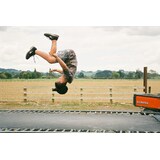

Rectangle trampolines are a popular choice for families in Perth, WA. Whether it's to fit a narrow yard or to give kids more targeted bounce, these trampolines offer something a bit different from the usual round ones. But what makes them great for jumping also means they wear a little differently in some areas.
As we move into March, it's a smart time to check over anything that might have started to wear down after summer. Rectangle trampolines in Australia often need a little more attention when it comes to the springs, especially as the weather starts to shift into cooler, damper conditions around autumn. A few quick checks now can go a long way.
How Rectangle Trampolines Share Pressure Across Springs
Unlike round trampolines, which pull energy evenly from all directions, rectangle trampolines don't distribute bounce the same way. Each corner, and every angle, responds a bit differently when weight lands on it.
- Kids tend to jump near the corners or along the edges, which puts extra strain on certain sections
- Each spring works more independently, and stress points build up faster in isolated patterns
- Over time, specific springs give out more quickly compared to others, especially if jumpers favour one side
That uneven wear means it is more important to look over springs regularly, rather than waiting until something feels off when someone is mid-jump. Round trampolines do not usually have this sort of pressure balance issue, which is why rectangular ones benefit from a refresh earlier and more often. With rectangle models, each side might feel different to jumpers as well, so regular checks can also help keep the bounce feeling even and reliable.
Common Signs of Spring Wear and What They Look Like
Knowing what to look for helps you stop small problems before they become bigger ones. When springs wear out, they send signals, visual ones, sounds, and sometimes a change in how the trampoline feels underfoot.
- Look for springs that appear stretched out, rusted, or slightly discoloured compared to others
- Listen for squeaking or light popping when jumping, it is often a sign of movement where it should not be
- Press down on the mat and watch how each spring reacts. If one does not bounce back properly, it may be on its way out
If springs get too slow to return to their normal shape, they are no longer helping hold tension. That forces nearby springs to do more work, which speeds up wear on the rest of the setup. As the seasons change and the weather puts new stresses on the trampoline, it’s good to be familiar with how your springs should look and sound. Noticing these issues early means you can fix them before they cause bigger problems for the mat or frame.
Why Autumn Weather Matters for Trampoline Upkeep
In Perth, WA, the first weeks of autumn tend to be mild and dry. It is a good mix of cooler mornings with sunny afternoons, perfect for light outdoor maintenance. If you wait too long though, the later months can bring damp air and extra rain.
- Moisture hitting springs that are already loosening can fast-track rust, which weakens the metal over time
- Morning dew or shaded spots in the yard may keep springs wet longer than people realise
- Doing a check now helps keep jumping smooth through autumn, especially if kids still play outside on the weekends or after school
Once the cooler, wetter weather sets in, it is harder to dry things off or replace parts quickly. A bit of care before that change makes a big difference. Springtime can also bring bursts of wind and showers, so ensuring trampoline springs are secure and in good condition helps avoid unnecessary repairs later. Kids and parents enjoy autumn afternoons with a well-maintained trampoline, so doing a check now pays off quickly.
Jump Star Trampolines uses quality-grade galvanised steel for all rectangle trampoline springs and frames, helping them resist rust and upholding safety in Australian weather year-round.
When and How Often to Check Rectangle Trampoline Springs
How often you check the springs depends on how much the trampoline gets used, and what kind of weather it is sitting through. We usually suggest keeping a rhythm throughout the year based on the seasons.
- If it has been used almost daily during summer, give it a full check now at the start of autumn
- Follow up every three months, or sooner if you notice any issues
- Always check after strong wind or heavy rain, especially if the trampoline frame shifted or bounced from gusts
Moving the trampoline around the yard, even slightly, can change how pressure settles on the springs. That is why each check helps re-balance the setup before anything actually breaks. Consistency is key, and even a quick look every few months will make sure nothing gets missed. If there are younger or heavier jumpers using it more frequently, or if the trampoline is exposed to extra sunlight or humidity, more checks might be worthwhile.
Set a reminder after every season change to do a proper inspection. This makes it easy to keep up the habit and prevents surprise wear. Creating a simple routine means your family can enjoy safer bouncing year-round.
Why Spring Checks Help Extend the Whole Setup
A loose or broken spring does not just impact bounce. It shifts pressure to the mat, the netting, and the frame. That can lead to more problems than just a spring popping loose during a jump.
- Fractured springs or lost tension can cause the frame to twist slightly under uneven loads
- The mat may start to dip in one section if springs are not holding their side anymore
- Kids can move awkwardly during takeoff or landing without realising it, raising the chance of missteps or sloppy footing
That is where regular spring checks really help. Fixing one or two stretched springs now helps keep all the other parts working how they should. It also means fewer surprise repairs in the future. Over time, the simple act of checking and changing springs as the seasons change keeps the whole trampoline in better shape for everyone in the family.
Springs support the jumping surface, but they also affect how safe the trampoline feels for every user. Without enough regular checks, the mat can sag, making landings uncomfortable or even risky. Replacing springs when you spot issues is faster and easier than making larger repairs to the mat or the frame. It also protects children from the sudden jolts or slips that happen when springs give out without warning.
Trampoline accessories like the safety net, frame padding, and ladder also benefit when the springs are healthy and strong. Since all components work together, their overall condition improves with each check. Good springs mean the whole structure is better supported, and the chances of twisted net poles or damage to the frame are reduced too.
Keep Your Rectangle Trampoline Jump-Ready All Year
Rectangle trampolines in Australia get lots of use, especially when you have kids at home and yard space that works with smaller setups. Keeping them in shape does not take much time. Just a few checks and a habit of looking things over when the weather changes.
It is easier to replace a spring or reset tension early than to wait for something to break mid-jump. A bit of care now with the Perth weather holding fair in early March gives us more peace of mind later. It is all about keeping things safe, steady, and ready for the next sunny afternoon.
Noticing stretched springs or a change in bounce? We offer a full range of replacement and upgrade parts at Jump Star Trampolines, built for every backyard in Australia. Regularly updating parts for your rectangle trampolines in Australia keeps them lasting longer and performing safely. This early autumn in Perth's unpredictable weather is an ideal time for a seasonal trampoline check, so give us a call if you need help finding the right replacement parts or advice on keeping your trampoline in top shape.