
Spot the Differences Between Popular Trampoline Replacement Parts
Author: Jump Star Trampolines Date Posted:15 February 2026
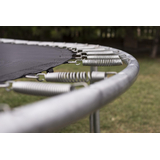

After a summer of heavy use, most backyard trampolines start showing signs of wear. Mats feel looser, pads fade in the sun, and the bounce might not feel quite right anymore. That’s when the right trampoline replacement parts become especially important. With the warm days of summer fading and the cooler Perth afternoons setting in, now’s a smart time to check everything over and fix what needs fixing before the wet season begins. Knowing which part does what, and spotting how they’re different, can help prevent future problems, reduce risks, and keep things fun.
Not all trampoline parts wear in the same way or at the same time. Some may look fine but aren’t doing their job properly anymore. Others might be missing altogether. Being able to tell the difference between mats, pads, nets, frames, springs, and connectors makes it much easier to decide what to replace, and when.
Mats vs Pads – What Each One Does
The trampoline mat is where all the action happens. That’s the part that takes most of the jumping, running, flipping, and landing. When it’s in good shape, you’ll feel a solid bounce with a smooth surface underneath. But as the mat stretches out or thins, the bounce can feel flat or uneven. You might even feel your feet sinking when you land, which often means the material is losing strength.
Then there are the pads. Pads cover the springs and outer edge of the frame. Their main job is protection, to stop feet, fingers, or heads from landing on hard metal. Over time, the padding can flatten and the covers can crack from the sun and heat. In Perth, where UV exposure sticks around most of the year, many safety pads tend to fade or split long before they stop looking blue or green from a distance.
Both parts affect the way a trampoline feels and how safe it is to use, but they get damaged differently. Mats stretch and wear through in the middle first. Pads usually get thin or slide out of place around the edges. A quick check of both at the end of summer can tell you a lot about how ready your trampoline is for another season.
Nets vs Frames – Safety vs Structure
Safety nets tend to be the first thing to go after a long, dry summer. Since they take direct sun and wind almost daily, especially in backyard areas with little shade, the net threads can become brittle. You might not notice damage until a hole forms or the net starts to sag. A sagging or torn net can’t be trusted, even if it looks all right at a glance.
Frames hold everything together. They don’t usually wear out all at once, but rust spots, bent tubing, or loose joints can suddenly change how solid the whole structure feels. Even a single frame piece out of sync can affect bounce and safety.
In Perth, we’ve seen hot, dry days followed by fast weather changes. Those shifts can cause metal to expand, making joints looser and creating small cracks in rust-prone areas. While frames tend to last longer than nets, a damaged frame is a bigger issue. Regular checks for wobbling or visible rust patches can catch problems early.
Springs and Hooks – Small Parts Doing Big Work
Springs are what keep the trampoline bouncy. They stretch with each jump and pull the mat back into place. If one spring snaps or stretches too far, the balance changes. The bounce might feel uneven, or landings could become harder than usual.
Hooks connect the mat to the springs. If they’re bent or rusty, they can rip the mat or shoot off unexpectedly when pressure is applied. Damaged hooks are one of those small things that can turn into a big problem with very little warning.
We often overlook these pieces because of their size. But losing even a few springs, or dealing with worn hooks, can throw off how the whole trampoline feels. When you check for signs of wear, pay attention to noise as well. If there’s squeaking or creaking when someone bounces, that usually points to spring or hook issues.
Match the Part to the Shape and Size
A common mistake we see is trying to replace a part with one that’s “close enough.” The problem is, trampolines aren’t one-size-fits-all. Mats, pads, nets, and even frames are made to fit specific shapes and sizes. A round mat won’t fit a rectangular frame, and an in-ground setup needs different pad types and spring tension.
Using the wrong size or shape doesn’t just look awkward, it can be unsafe. A gapped net or over-stretched pad can fail with very little notice. Before buying anything, you’ll want to double-check how many springs you have, their length, and whether your trampoline is officially 10ft, 12ft, or something else altogether.
Some common issues we come across include:
• Buying a net that’s too short, so it pulls tight and tears at the corners
• Swapping in a mat that fits, but uses the wrong number of spring holes
• Using generic pads that slide easily or leave metal areas exposed
Fitting the right part the first time means you won’t have to do the job again when something shifts or fails.
Don’t Mix and Match Without Checking Compatibility
Old trampolines often become a mix of leftover parts from other setups. It’s understandable, kids grow fast, parts wear out, and families try to patch things together where they can. But mixing parts from different brands or designs without checking compatibility first can backfire.
Every part, even a small one like a hook or net pole cap, is designed to match a specific setup. Even if sizes look the same, the placement of holes or the way the frame connects might be totally different. Forcing a fit ends up causing strain on the mat or stress on the springs, which shortens their lifespan and increases the risk of damage.
Some things to watch out for:
• Edges not lining up completely, even if the length seems right
• Spring tension is changing too much across the mat
• Gaps between the safety pad and mat, leaving springs exposed
If it seems like the part should work, but something feels off, it usually means it’s not quite compatible. Going back to the original specifications is the best way to make sure everything works the way it’s meant to.
A Safer Setup Starts with Knowing the Differences
Each part of a trampoline has a job to do. When those pieces start to wear down or stop fitting properly, the whole setup suffers. Some issues show up in plain sight, like cracked pads or a sagging net. Others aren't as easy to spot, like a stretched spring or a loose frame joint.
Now that summer is winding down in Perth, this is a better time than most to give your trampoline the once-over. The days are long enough to work outside without rushing, and replacements won’t be delayed by holiday traffic or extreme weather.
Knowing the differences between trampoline replacement parts helps you fix only what’s needed without missing something that puts the whole setup at risk. Parts that match your shape, size, and design will always be safer, last longer, and give your family more time to enjoy the space you’ve already built.
Trampoline parts not fitting like they used to? At Jump Star Trampolines, we make it easy to restore your setup with reliable replacements that match the original size and shape. We stock high-quality nets, mats, and springs built for Perth, WA’s unique climate, so you can keep the whole family bouncing safely. For everything from frayed stitching to worn pads, browse our selection of dependable trampoline replacement parts designed for Aussie backyards, and reach out if you’d like help matching parts to your current model.