
Common Trampoline Spring Problems Aussie Families Overlook
Author: Jump Star Trampolines Date Posted:27 May 2026
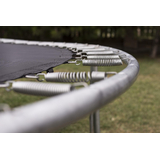

Hidden Dangers Lurking in Your Trampoline Springs
Trampoline springs do a lot of hard work, but they rarely get much attention. Most families focus on the mat and safety net, because that is what they see every day. Yet the springs are what control the bounce, the feel, and the safety of the whole setup.
As the calendar moves toward winter in Australia, kids are still jumping on sunny afternoons, even if they are doing it a bit less often. That lighter use can trick us into thinking everything is fine, while small spring problems quietly grow in the background. We want to walk through the common issues that pop up in trampoline springs, how to spot them early and how good parts and support can keep your backyard trampoline fun and safe for longer.
Rusty Springs in Harsh Aussie Weather
Australian backyards can be tough on metal. Coastal air, salty breezes, humidity, random downpours and strong sun all team up on trampoline springs. Even in a warm climate, moisture in the air and on the ground can hang around on the steel and start corrosion.
A quick check every now and then can pick up:
- Orange or brown spots on the coils
- Tiny pits or rough patches along the spring
- Flaking or peeling metal on older springs
- Squeaking or grinding sounds when someone jumps
Light surface rust might not look scary at first, but it can spread and slowly weaken the steel. That changes how the trampoline feels under your feet. The bounce can start to feel dull or uneven, and in time a badly rusted spring can snap under pressure.
Simple habits make a big difference:
- Do regular visual checks around the whole frame
- Wipe springs down after rain or heavy sprinkler use
- Keep the trampoline away from pool splash zones where you can
- Use a cover when the trampoline is not in use for long stretches
- Choose rust-resistant springs when you replace old ones
For families in coastal or humid areas, staying ahead of rust is one of the best ways to protect both the trampoline and the kids using it.
Uneven Bounce From Stretched or Mismatched Springs
If kids complain that one side of the trampoline feels weird, or you notice a strange dip when you jump, stretched or mismatched springs might be the reason. Over time, some springs lose tension faster than others. That is especially true in the “favourite” jumping zone in the middle, where kids land again and again.
This uneven wear can lead to:
- “Dead spots” where there is less lift
- A trampoline that pulls you slightly off to one side
- Odd creaks or twangs as tension shifts between springs
- Extra strain on the mat stitching and frame joints
When the bounce is not even, bodies work harder to stay balanced. That raises the chances of awkward landings, sore ankles and more pressure on the knees and hips. The mat also has to stretch in strange ways, which can shorten its life.
You can do some simple checks:
- Unhook a few springs and line them up side by side to compare length
- Look around the mat edge for gaps or areas where the mat sits lower
- Walk and gently bounce around the whole mat to feel for weak spots
- Replace full sets of springs instead of mixing very old and brand new ones
Springs that work as a team give a predictable, smooth bounce. That is what you want for both safety and fun.
Sneaky Cracks, Bends and Sharp Spring Edges
Not every problem shows up as rust or obvious stretch. Some damage hides in the tiny details of the metal. Micro-cracks, small bends and sharp edges often form first at the hook ends or where the coil is wound tightest.
These little flaws can be hard to see, but under load they can turn into sudden failures. A cracked hook can snap or slip off the frame. A bent coil might twist out of place when someone lands near it.
Sharp edges are another risk. If a spring breaks or deforms, the cut edge can:
- Slice into mat tabs or stitching
- Tear padding or covers around the frame
- Scratch or cut skin if a spring flies free under tension
Set aside time now and then to inspect each spring properly:
- Look closely at hook ends for hairline cracks or flattening
- Check that the coil shape is even, not warped or pinched
- Wear gloves and gently feel along any suspicious springs for burrs
- Remove and replace any spring that is even slightly bent or split
Small problems rarely fix themselves. Swapping out dodgy springs early is always better than waiting for one to let go mid-bounce.
Noisy Springs and What Those Sounds Are Telling You
Trampolines often “talk” before something goes wrong. The sounds they make while kids bounce can give you handy clues about the condition of your springs and frame.
Common noises include:
- Light squeaks that repeat with each jump
- Louder twangs from individual springs
- Rattles from loose hooks or brackets
- Harsh grinding or scraping sounds from metal rubbing
Squeaks can point to friction and early rust starting to form on moving parts. Rattles often mean a spring is not seated properly or a frame connection has worked loose. Grinding is a bigger warning sign that metal is rubbing where it should not, or that a part is bent.
A simple “sound check” routine can help:
- Every few weeks, have someone bounce while you stand to the side and listen
- Notice any new noises or ones that have become louder
- Walk around the trampoline to locate where each sound is coming from
- Follow up with a close look and replace or tighten the parts in that area
Your ears will often pick up trouble before your eyes do, especially when small issues are just starting.
Winter Prep and Long-Term Spring Care Made Easy
As the year heads toward winter and school terms shift, many families find the trampoline gets used a little less. That makes this a great time for a proper safety check, especially around the springs that work hardest.
A simple seasonal checklist could include:
- Clean and dry the springs, frame and mat edge
- Inspect all springs for rust, stretch, cracks and bends
- Tighten any loose connection points on the frame
- Replace springs that look worn, noisy or out of shape
- Use a cover or move the trampoline if strong winds are common in your area
Taking care of the springs protects the whole trampoline. Quality, well-matched springs that suit Australian backyards help keep the bounce consistent and the frame and mat under less strain. Local suppliers that focus on trampolines and replacement parts make it easier to find the right components when you need them.
At Jump Star Trampolines, we care about long-term, family-friendly outdoor play. Setting aside a simple “spring safety afternoon” before winter routines fully kick in can keep your trampoline safe, quiet and ready for action as soon as family and friends are keen for their next jumping session.
Keep Your Backyard Trampoline Safe And Bouncy
If your trampoline is starting to lose its bounce or show signs of wear, now is the ideal time to replace the trampoline springs. At Jump Star Trampolines, we stock quality parts designed to fit and perform so your family can keep enjoying safe, reliable fun. If you are unsure what you need or have questions about sizing, reach out via our contact page and we will help you choose the right replacement parts.