
Simple Clues Your Trampoline Parts Are Wearing Down
Author: Jump Star Trampolines Date Posted:25 January 2026
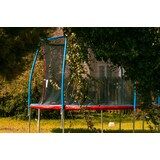

Summer holidays mean the trampoline gets a solid workout, especially here in Perth, WA. After weeks of nearly non-stop jumping, it’s normal for things to wear down a bit. By the end of January, we often spot little issues in the parts that work hardest.
The trouble is, wear and tear on trampoline parts doesn’t always show up straight away. Springs may stretch or squeak, mats might sag slightly, or padding might loosen at the edges. Small faults can sneak in quietly but have a noticeable impact on safety and bounce control later. Spotting them now can make all the difference before the trampoline gets busy again during the late summer heat.
Springs Making Strange Noises
Odd sounds from underneath are often a sign the springs aren’t what they used to be. It might sound like a creak, pop, or a high-pitched squeal, especially when someone lands near the edge.
Worn trampoline springs can shift out of place or stretch unevenly. That affects how the mat responds when someone jumps. The bounce can feel unpredictable or less controlled, which isn't just annoying, it makes it easier for kids to land awkwardly.
Leaving noisy springs alone can also create more damage over time. One spring out of shape will pull harder on its neighbours, spreading the problem across the frame. We keep an ear out for any changes in sound and check spring condition at least once a month when use is heavy.
Jump Star Trampolines supplies replacement springs in various lengths and thicknesses, specially designed for different trampoline types used in Australian backyards.
Mat Looks Loose or Saggy
If the jumping mat seems slacker than usual, or forms a dip in the centre, it's probably weakened from regular use and long days in the sun. A small tear or stretched seam might not be obvious straight away but changes how the mat reacts, especially with more than one person bouncing.
When the mat isn’t holding firm tension, it can affect stability and balance. Bigger jumps feel slower, and bounce height may vary from one side to the other. That matters even more when multiple kids are on at once, which happens often during long summer afternoons.
We always check for rough patches, colour fading at the seams, or places where stitching may be fraying. If the mat’s sagging between normal use, that’s usually a good reason to look closer.
Our replacement mats come in sizes to fit round, rectangle, and octagonal trampolines and are made from high-grade UV-resistant material to handle the Perth sun.
Netting Keeps Slipping or Tearing
A loose safety net can slip down slowly without anyone noticing, until someone leans into it during a bounce. That slight movement matters, especially when kids push on the side for balance or land near the edges.
Summer sun in Perth can dry out safety nets quickly, making the material brittle near the top. Watch for net threads thinning or snapping where they stretch around the poles. Zippers can jam from dust, or pull loose from the tension.
If the netting sags or moves too much when touched, it’s worth checking how well the top clips and loops are still holding. Any weak spots can widen fast once the jumping picks up again in the last weeks of summer.
Jump Star Trampolines carries net replacements for a wide variety of round and rectangle models, all built with UV-stabilised mesh and strong fastenings for longer backyard play.
Frame or Legs Wobble After Each Use
A wobbly frame might not happen right away. But by late January, we’ve seen how constant movement, heat, and damp grass can slowly loosen the base.
The metal in trampoline frames expands slightly in heat, then cools at night. Over time, that cycle can shift connections or wear against bolts. If you feel the whole unit shake when someone steps off, or see the legs move more freely than before, the base may be losing its hold.
We check for things like:
• Gaps between leg joints where they meet the main frame.
• Movement at the point where legs touch the ground.
• Uneven balance when pressure is applied to different sides.
These early signs are much easier to manage than waiting until a leg twists or bends during active use.
Missing or Damaged Pad Covers
Trampoline pad covers serve one clear role, protecting jumpers from sharp springs. But after long sun exposure, they can harden, crack, or even peel away in strips. When kids are jumping daily, it doesn’t take long for padding to shift just enough to uncover metal edges.
We look for these signs of wear:
• Padding that looks thinner or faded near where kids land the most.
• Edges curling up or folding under the mat.
• Plastic ties or straps snapping, letting pieces slide out of place.
Pads are one of the most visible parts of a trampoline, so it’s easy to miss their slow deterioration. Skimming your hand around the edges every now and then can reveal spots that aren’t fully covered anymore.
Keep Trampoline Time Safe This Summer
Late summer is still prime trampoline weather across Perth, with school holidays stretching on and more warm, dry days ahead. Kids continue to visit each other’s yards, bounce between playdates, and burn off spare energy while daylight lingers.
Giving the trampoline a quick but careful look now can help catch small issues before they quietly become bigger ones. A few early checks can keep backyard fun safer and the bounce more reliable when visitors turn up wanting one more summer turn.
Summer in Perth, WA can take a toll on your trampoline, with constant use often leading to worn springs, sagging nets, or loose mats. For the safety of your family, now’s a great time to inspect your frame, mat, net, and all the small hardware that holds everything together. Our complete selection of trampoline parts makes it easy to find exactly what needs replacing. Not sure where to start? Give us at Jump Star Trampolines a call and our team will walk you through it.